
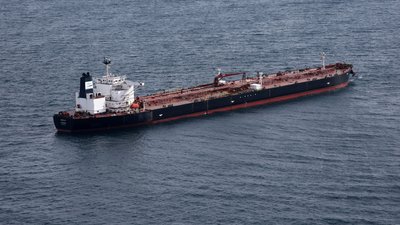
The Donald Trump administration may extend the exemption that allows countries to purchase sanctioned Russian oil and petroleum products as early as Friday, April 10.
As Reuters writes, citing sources, the White House wants to mitigate the effect of the increase in energy prices that occurred after the start of the conflict in Iran.
The US Treasury Department in March authorized the purchase of Russian oil and petroleum products at sea for 30 days, which expires on April 11.
The agency notes that Putin's envoy Kirill Dmitriev said the move would free up 100 million barrels of Russian oil, equal to almost a day's worth of global production.
According to sources, US Treasury Secretary Scott Bessant met with Trump in the Oval Office on April 9 to discuss extending the exemption, and they agreed it was a good idea.
Oil prices rose sharply after the war with Iran due to the partial closure of the Strait of Hormuz, through which about 20% of the world's oil and gas was supplied daily before the conflict.
Rising fuel prices are a major issue for Trump and the Republican Party ahead of the November midterm elections.
The International Energy Agency, a group of 32 countries, said the war in the Middle East was creating the largest oil supply disruption in history.
Meanwhile, these denials could complicate Western efforts to deprive Russia of revenue for its war in Ukraine and put Washington at odds with its allies.
European Commission President Ursula von der Leyen said that now is not the time to ease sanctions against Russia.
On March 6, the United States eased sanctions on oil from Russia for India for 30 days: this country's refineries will be able to buy Russian oil that is stuck on tankers at sea.
On March 12, the United States issued a 30-day license to purchase Russian oil and petroleum products currently stranded at sea. The U.S. Treasury Department believes this will help stabilize global energy markets.