
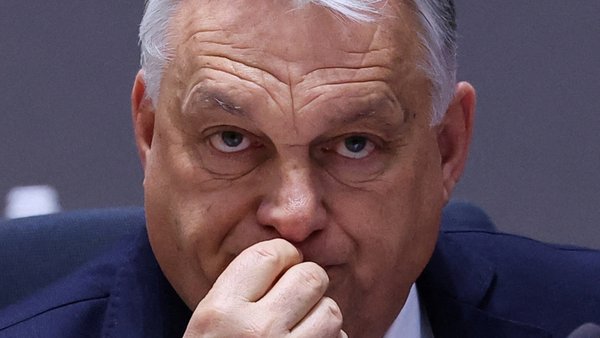
The EU's top court has questioned the European Commission's decision to pay billions of euros to Hungary, saying the country has failed to implement the necessary judicial reforms that were a condition for receiving the funds, creating a risk of the funding being returned and a political scandal in the EU.
The Guardian writes about this.
The Commission suspended payments to Prime Minister Viktor Orban's government in 2022 over concerns about a backsliding on democracy, saying the government had failed to tackle corruption and ensure the independence of the judiciary. A year later, it was announced that Hungary had made sufficient changes to unlock the funds, making it eligible for around €10 billion in various EU funds.
The European Parliament filed a complaint in 2024, arguing that the commission's decision was wrong. Some MEPs said the decision was made on the eve of a key EU summit and could have been politically motivated, as Orban's support was needed to help Ukraine.
The Advocate General's opinions are not legally binding, but judges often follow them in making decisions.
“The Commission failed to properly assess the reforms of Hungary's judicial system and incorrectly applied the requirements to the country when it allowed the distribution of budget funds without any explanation,” Czapata noted.
She added that the commission cannot distribute EU funds to a member state until the necessary legislative reforms are in force and effectively implemented.
Experts believe that if the court sides with the parliament, the European Commission may have to return the funds, which would set a precedent regarding the commission's role in rule of law issues.