

Emma (Zendaya) and Charlie (Robert Pattinson) are the perfect young couple straight out of a jewelry store commercial. Like so many other characters in American romantic comedies, they met in a coffee shop, live in a two-story apartment overlooking Central Park, and spend their evenings chatting with friends over a bottle of natural orange wine.
But then – just a week before their carefully planned lavish wedding – secrets surface, and the days leading up to the wedding turn into utter chaos, filled with difficult conversations and rethinking who the characters – and the audience! – even consider a “good” person.
Specially for Sospilne Kultura, film critic Oleksandra Povoroznyk tells how Christopher Borgley's film delicately balances on the border between romantic comedy, satire and thriller, and what it can tell us about the conflict between the psychoanalytic individualism of American society and the sociological perspective of the European director. And also – why the film will be a great companion film to “Twilight”, which is now back in theaters.
 A still from the film “Loves Not Loves”. Green Light Films
On April 1, the film “Loves Doesn't Love” was released in Ukrainian cinemas – a story that promotional materials carefully described as a “black comedy”, and the plot of which the A24 film studio tried to hide to the last detail. As it turned out, it was not in vain – as soon as spoilers for the film were published online (don't worry, we'll avoid them), the film instantly became a source of controversy in the American press and even received a portion of condemnation from certain activist groups.
Robert Pattinson's character is the chief curator at the Central Museum of Art in New York. Zendaya's character works in a good job at a bookstore. They feed squirrels in the park, discuss contemporary literature over coffee, flirt absentmindedly, dance to soul music in their spacious apartment decorated with posters of European movies and paintings. In other words, they have exactly the kind of carefree life that usually goes to characters written by Noah Baumbach or — remember that one? — Woody Allen.
 A still from the film “Loves Not Loves”. Green Light Films
If you were shown only the first teaser of the film, you would probably decide that the conflicts between the characters would be limited to minor misunderstandings and arguments about the best films of the French New Wave, and that the film itself would be balanced and a little boring, full of neuroses of wealthy intellectuals, phrases borrowed from psychoanalysis, references to Bergman, and half-jokes that more likely make the viewer feel proud that they caught the irony intended by the screenwriters than genuine laughter.
In fact, the first few minutes of the film — despite the slightly nervous, choppy editing with disturbing music in the background — only reinforce this impression. But then, in the credits, Ari Aster — a director whose films are more reminiscent of sarcastic horror film adaptations and who in his last two works has balanced somewhere on the border between horror, political satire and comedy — unexpectedly appears as executive producer. Here, one might suspect that we are in for something more emotionally complex than the usual rom-com about rich, beautiful and slightly emotionally unbalanced representatives of the New York intelligentsia.
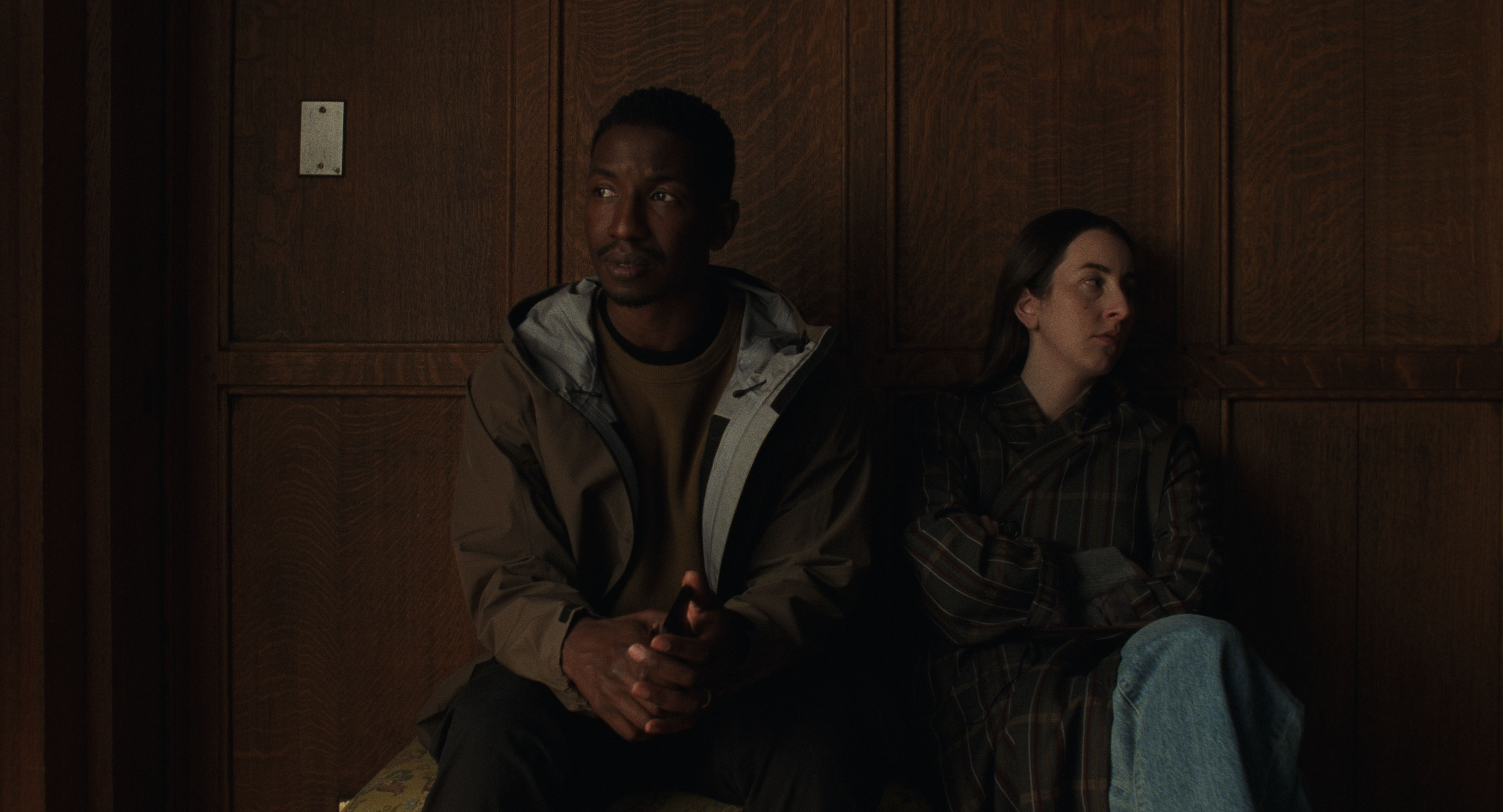 Mamoudou Ati and Alan Gaim in the film “Loves Not Loves”. Green Light Films
And so it is. During the main characters' regular get-togethers with their friends (Mamoudou Ati and Alan Gaim), a conversation breaks out about the worst things the characters have ever done, and Emma is forced to reveal a secret she has been hiding from her fiancé for years. We won't spoil the surprise for readers and tell them what terrible sin Zendaya's heroine had on her soul, but from that moment on, the film turns from a light comedy into a full-fledged thriller that delves with equal determination into both the psyche of its own characters and the socio-cultural factors unique to the United States.
By the way, to Ukrainian viewers they will seem as paradoxical as to Pattinson's hero – a Briton who has not fully assimilated into American culture. And it is this two-sided view – both into the souls of the characters and into the broader context that shapes their worldview, that adds depth to the film.
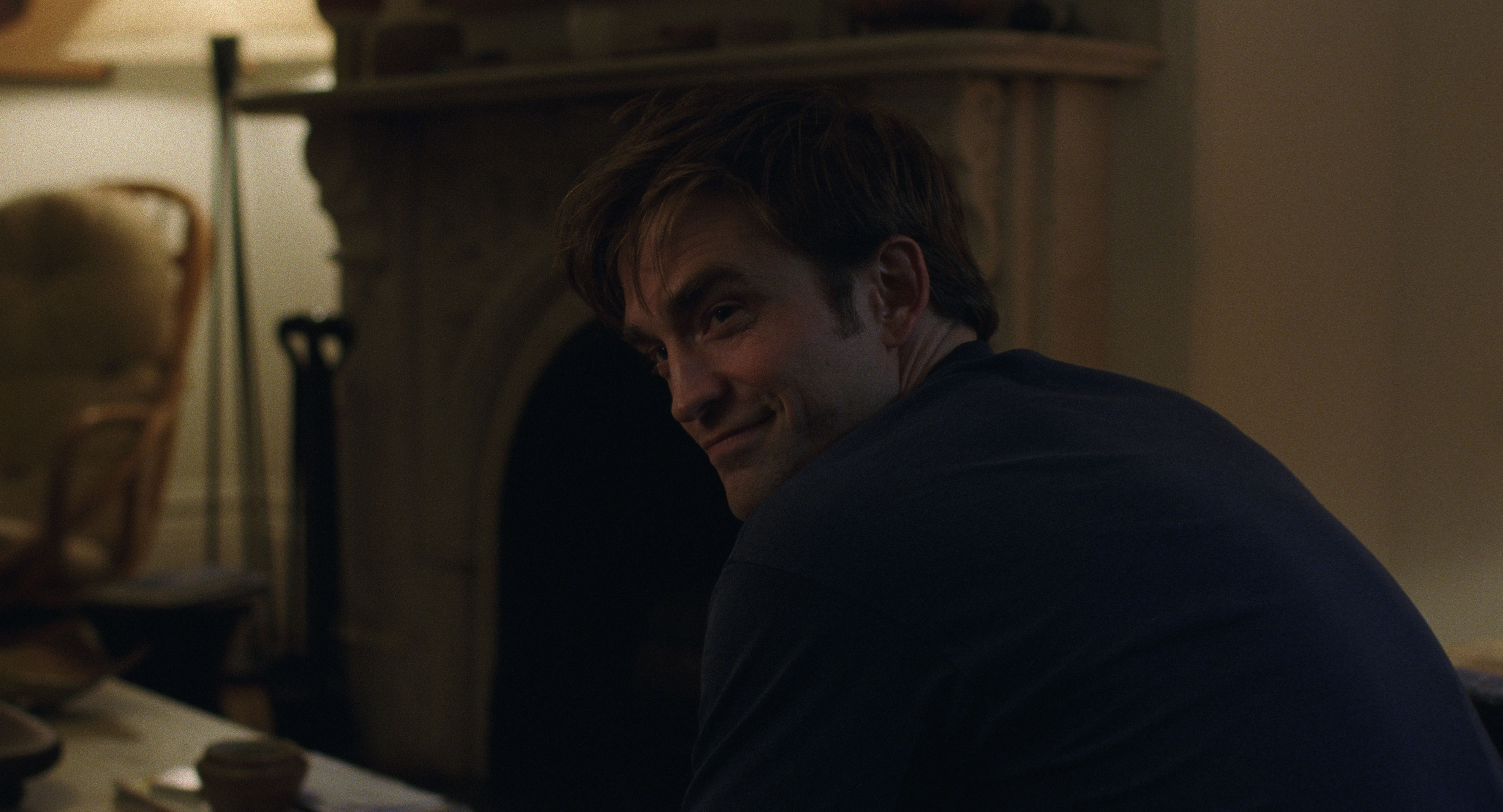 A still from the film “Loves Not Loves”. Green Light Films
Borgley is not only interested in how lovers react to unexpected information about people they should have known and trusted. He poses questions to the audience that are much more difficult to answer: where is the line between terrible thoughts and terrible actions? What is worse – to commit a truly shocking crime once and then live a morally perfect life, or to show yourself every day as a petty and unpleasant person, harming loved ones and relatives? Are our actions and thoughts a manifestation of our innate character, the results of our upbringing, or the consequences of the cultural context in which we exist? If it is possible to be a performative activist just because “it is fashionable now”, then is there such a thing as performative crime?
Ultimately, Borgley leaves these questions hanging, and the audience is forced throughout the entire running time to be torn between the warm bath of familiar genre tropes and the discomfort of the topics that the director offers us. And here we immediately want to recall the critics who accused the film of being “insensitive” to difficult issues even before its release. Despite the fact that the film does indeed have enough black humor and violence, Borgley does not exploit American historical traumas and social problems, but tries to find a point of view that would take into account both the cultural dimension and the personal one. And this is exactly what love stories often lack.
 A still from the film “Loves Not Loves”. Green Light Films
With Twilight still in theaters as part of its anniversary retrospective, Love Is Not Loved seems like the perfect companion film to the iconic, absurdist film about love for a monster — and not just because both films star Robert Pattinson. Unlike Twilight, which uncritically reproduces decades-old patterns of unhealthy romantic behavior, Love Is Not Loved is a deconstruction of both the romantic comedy genre and American society in general.
The “Reviews” section publishes reviews and critical texts on works of art and other cultural events.
The materials reflect the personal position of the authors of the text. The opinions expressed in the texts do not necessarily coincide with the position of the editorial office.