
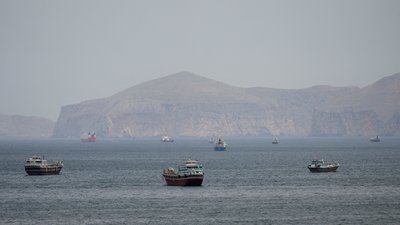
The nine-week blockade of the Strait of Hormuz has cut global oil supplies by at least 10% and removed about a billion barrels of oil from the market, exceeding the emergency stocks that consuming countries have released since the conflict began in late February.
This is reported by Bloomberg.
According to the publication, demand for oil is already declining worldwide: from the petrochemical industry in Asian countries to aviation and road transport in Europe and the United States. Gasoline prices in the United States have exceeded $ 4 per gallon About 4.5 liters , and diesel in Europe is $200 per barrel, which is forcing transportation companies to reduce flights and prepare for fuel rationing.
The International Energy Agency is predicting the biggest drop in oil demand in five years, with a potential loss of 5 million barrels per day, or 5% of global supplies, and could lead to the risk of a global recession.
The blockade of the Strait of Hormuz is still affecting oil prices. The European Central Bank predicts that Brent crude oil prices could rise to $145 per barrel. As of April 25, a barrel of Brent crude Brent is a benchmark brand of oil produced in the North Sea and costs around $105 per barrel.
High oil prices could cut Europe's economic growth in half. It is possible that in the event of a prolonged crisis, the price could even rise to $250 per barrel.
On April 18, the US Treasury Department's Office of Foreign Assets Control (OFAC) issued a new license that allows for the supply and sale of Russian oil and petroleum products already loaded onto vessels as of April 17, 2026.