
Main points
- Mobilization in Ukraine faces conflicts due to the work of the CCC and the participation of the police in inspections.
- Ihor Lutsenko believes that the lack of a unified strategy at the state level complicates mobilization.
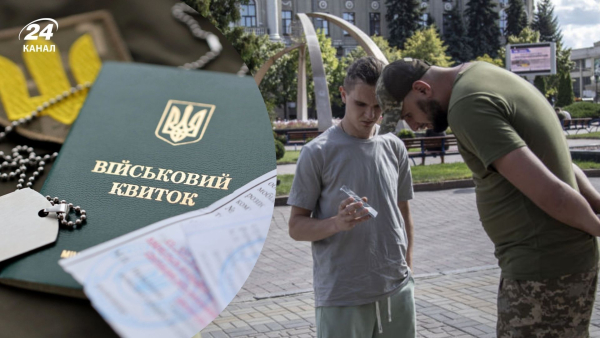
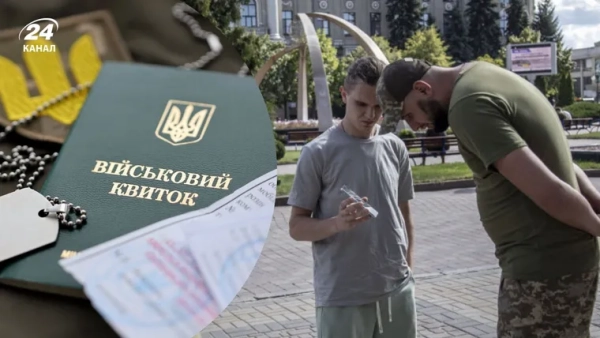
Mobilization in Ukraine is increasingly accompanied by conflicts around the work of the CCC and the participation of the police in inspections. Questions arise in society about who is responsible for searching for violators of military registration and why state policy in this area seems inconsistent.
Military serviceman, aerial reconnaissance officer, and former deputy Igor Lutsenko stated on Channel 24 that the current state of mobilization is the number one problem for the state. According to him, without a unified strategy at the level of the country's leadership, the situation can only get more complicated.
Mobilization problem #1 – lack of a unified policy
Lutsenko said that the issue of filling the army with people is key for the state today. According to him, it is not only about the quantity, but also about the quality of trained servicemen. If systemic decisions are not made, the situation will only worsen.
In both the long and short term, this is the number one problem. Filling the army with the right people, their quantity and their quality – this is the most important problem right now. If you just wait for something, it will only get worse,
– he noted.
Responsibility for mobilization policy cannot be reduced to the Ministry of Defense or the Central Committee of the Armed Forces. In his opinion, this is a task for the entire state vertical, primarily for the country's leadership.
The entire state must engage in mobilization policy. Not some separate unit labeled the General Staff or the Land Forces Directorate. Whoever is at the head of the state must engage in this,
– Lutsenko emphasized.
Without coordinated work between the Cabinet of Ministers, law enforcement agencies, and other government bodies, it will not be possible to build a predictable and understandable mobilization system.
By the way! The Office of the President is preparing a model with clear terms of service for all military personnel and the possibility of a deferral after the end of the contract. This involves a gradual transition from a mobilization system to a contract system, and the relevant draft law is being finalized.
The search works selectively.
Lutsenko drew attention to the gap between official figures and real practice. According to him, if millions of people are wanted, this does not mean that they have disappeared from the public space. Many continue to work, use bank cards and move around the country.
First, we can start searching for them. We have a search on the criminal procedure line, and there is a search on the CCC line. These are different stories,
– he noted.
He cited the example of patrol police stopping cars but often failing to record any arrests of wanted military personnel. He believes this situation demonstrates a lack of clear management position and control from management.
Patrols are standing by, stopping cars – and not a single person has been detained along the CCC line. This means that either they are not doing this, or no one is asking us to do it,
– said Lutsenko.
Without political will and clear rules for implementing decisions, any figures in statistics will remain a formality.
Not only control, but also terms of service
The problem cannot be reduced to coercion or checks alone. According to him, the state must not only demand the fulfillment of duty, but also ensure normal conditions for those who join the army. Otherwise, tensions will only increase.
A whip is certainly needed, but cookies are also needed,
– he noted.
The current system of basic training often creates additional stress for people. This includes living conditions, illnesses during training, and the lack of clear distribution principles. According to him, a person should not immediately fall into a chaotic system without explanation and support.
A person doesn't have to get into some kind of heat right away. They don't have to get into flooded tents, they don't have to get sick,
– said Lutsenko.
The reform should involve changing approaches to the training and distribution of mobilized people. Without this, he believes, trust in the system will not be restored, and the mobilization crisis may become even deeper.
What is known about the latest changes in mobilization in Ukraine?
- Since March 2, the Reserve+ application has launched an online deferment for military conscripts who have three or more children. The application is automatic, without certificates or a visit to the CCC.
- The Verkhovna Rada is discussing tougher penalties for evading mobilization, including possible account blocking and restrictions on driving rights. Final decisions have not yet been made.
- General mobilization applies to men aged 25 to 60, but in some cases younger citizens may also be drafted. This applies to those who, after a second draft, are deemed fit for service or have the appropriate legal status.