
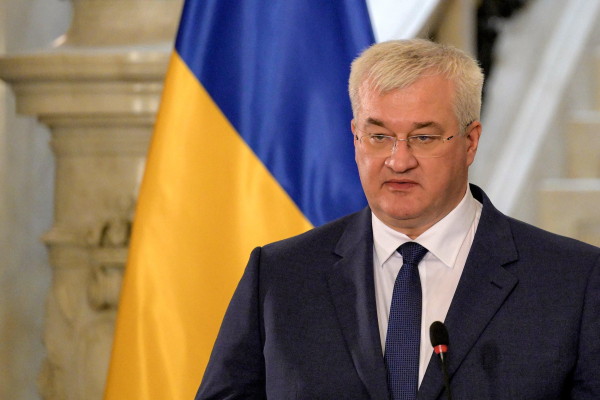
Sibiga speaks about the decisive moment in the war / Photo Getty Images
Ukraine continues to successfully hold the defense. Attempts to attack do not bring the enemy the desired results. Russia's human resources are no longer its decisive advantage.
A turning point in the war has come. Pressure on Moscow is growing. This was stated by Ukrainian Foreign Minister Andriy Sybiga following the informal ministerial meeting of the NATO-Ukraine Council in Helsingborg.
What does the Foreign Ministry say about the decisive moment in the war?
Sibiga noted that to achieve peace, it is necessary to focus on three components: diplomacy, pressure, and force.
According to him, a new impetus is needed in peace efforts, as well as strengthening long-term sanctions against Russia and other instruments of influence.

The Foreign Minister informed the allies about the growing threats from Belarus and emphasized the need for appropriate deterrent steps to prevent further expansion of aggression from Moscow and Minsk.
Also, as the minister emphasized, Ukraine is no longer just asking for help, but is a full-fledged participant in the security system, a partner and donor of experience for allies.
Separately, he stated that increasing defense spending is a guarantee of peace, and called on NATO countries to contribute to supporting Ukraine's defense, calling such investments a “peace dividend.”
How did Ukraine seize the initiative in the war?
The Russian offensive has effectively stalled at the start. The enemy continues to suffer significant losses in manpower, which exceed the rate of replenishment of the army. In addition, the Russian economy is weakened by regular attacks on oil refining infrastructure.
As analysts note in comments for The Washington Post, Ukraine has been able to gain a tactical and technological advantage – primarily thanks to drones, more effective countermeasures against small infantry groups, and pinpoint strikes on the enemy’s rear. However, due to a shortage of personnel, these successes have so far remained localized.
According to experts, the summer of 2026 will show whether Ukraine will be able to turn local successes into a major strategic breakthrough.
Political analyst Alexander Gabuyev believes that despite the unfavorable dynamics for Russia, the Kremlin is unlikely to be ready to stop the war now, as the Russian leadership still counts on the opportunity to achieve its goals.
According to Reuters, one of the reasons why Ukraine has seized the initiative in the war is its use of “medium strikes” tactics – on targets 30 to 180 kilometers from the front. They hit air defenses, radars, logistics and command posts, which complicates the supply of Russian troops and slows the pace of the offensive.
According to the commander of the Unmanned Systems Forces, Robert Brovdy, such strikes also help Ukrainian long-range drones more effectively break through defenses and reach targets deeper behind Russian lines.
The former commander of US forces in Europe, General Ben Hodges, said in an interview with Channel 24 that the path to victory for Ukraine lies in weakening Russia's economic base. According to him, the key goal is to destroy or sharply reduce Russian oil and gas exports. If Russia loses the ability to sell energy to countries such as China, India or Turkey, it will be much more difficult for it to finance the war.