
Main points
- SpaceX will launch the GPS III SV10 satellite for the U.S. Space Force from Cape Canaveral, marking the final launch in the GPS III satellite series.
- The new satellite will significantly improve the accuracy and security of the GPS system, which is important for military operations, and the launch will be broadcast online on the official SpaceX page.
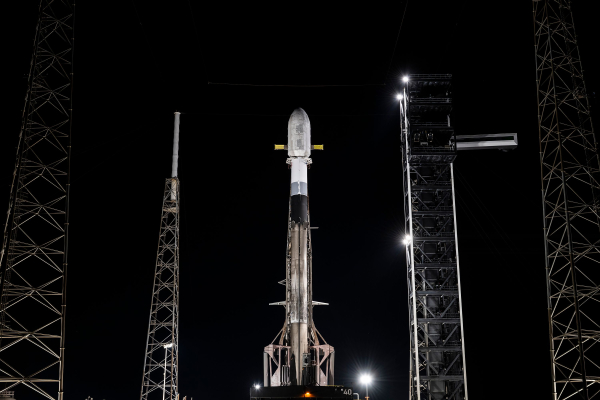
An important satellite for the US military will go into Earth orbit / SpaceX
SpaceX is preparing to launch a new GPS satellite for the U.S. Space Force. The mission will take place on the night of April 21 from Cape Canaveral and will be the final launch in a series of modern GPS III satellites manufactured by Lockheed Martin.
According to Space.com, the Falcon 9 rocket is scheduled to launch from Cape Canaveral Space Force Station in a narrow 15-minute window that will open at 2:53 a.m. Eastern Time (09:57 a.m. Kyiv time).
If the mission launches as planned and there are no delays, SpaceX will traditionally provide the online broadcast itself, starting approximately 10 minutes before launch. You can follow the broadcast on the company's official page on the X social network.
What is known about the launch and why is it important?
The rocket will carry the GPS III SV10 satellite. This is the tenth and final device in the newest series of US navigation satellites being deployed to modernize the global positioning system.
The United States Space Force emphasizes that the new generation of GPS has significant advantages over previous versions. This includes a three-fold increase in the accuracy of determining coordinates and an eight-fold improvement in protection against interference. Such characteristics are especially important for military systems, as they increase the effectiveness of weapons in various conditions.
The satellite was originally planned to be launched using a Vulcan Centaur rocket from United Launch Alliance. However, problems with the solid-fuel boosters forced the program to be revised. As a result, the mission was handed over to SpaceX, which is not the first time it has taken on such launches.
As part of this reshuffle, another important mission, USSF-70, has been moved to Vulcan Centaur. It was previously planned to be carried by Falcon Heavy. The launch of this mission is currently not expected until the summer of 2028.
If the launch goes smoothly, the Falcon 9 first stage will return to Earth about 8.5 minutes after liftoff, landing on the Just Read the Instructions unmanned platform in the Atlantic Ocean. This will be the booster's seventh flight.
Meanwhile, the second stage will continue to deliver the satellite to medium Earth orbit. Deployment of GPS III SV10 is expected approximately one and a half hours after launch.