
Main points
- Rice is ineffective for drying smartphones and can damage the device due to dust and starch particles.
- Experts recommend turning off the device, wiping it down, and contacting a service center to avoid corrosion.
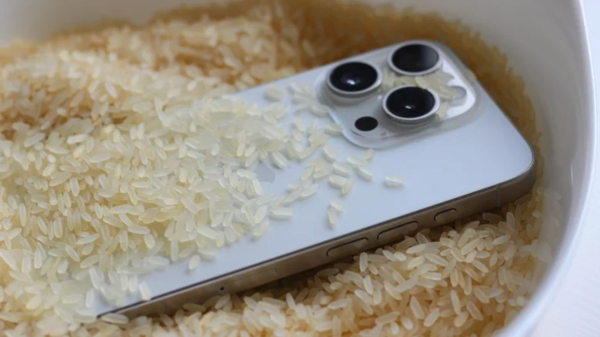
Don't put your phone in rice after water – experts have named the correct way to save it / BGR
The advice to put a wet phone in rice has long been part of internet culture. But experts warn that this method not only doesn't help, but can sometimes damage the device even more.
If a smartphone accidentally falls into water , most people act almost automatically – turn off the device and cover it with rice. This method has been passed down for years as a “folk life hack” that supposedly draws moisture out of the case. However, in practice, everything is much more complicated. This is what BGR writes.
Why doesn't rice work the way everyone thinks?
Experts explain that rice is not able to effectively remove liquid from the internal components of the smartphone. Moreover, fine dust and starch particles can get inside the case and settle on contacts, ports or other electronic elements.
Apple also officially recommends against using rice to dry your iPhone after contact with water, warning that foreign particles can damage the device or make it difficult to operate.
Experts also advise against using cotton swabs , hair dryers, or cans of compressed air. Hot air can overheat components, and a strong stream can push water even deeper into the smartphone.
What to do immediately after water gets in?
Modern smartphones often have water protection, but that doesn't mean they're completely invulnerable. Even water-resistant models can suffer damage, especially if the device has been in liquid for a long time or has come into contact with seawater, juice, or sugary drinks.
After falling into water, the main task is to turn off the smartphone as soon as possible. It is electricity combined with moisture that most often leads to a short circuit.
Then you need:
- carefully wipe the case with a cloth or towel;
- get a SIM card;
- if the design allows, remove the back cover and remove the battery;
- hold the smartphone vertically with the ports down;
- Tap the sides lightly to let the excess liquid drain out.
After that, it is recommended to leave the device in a dry, well-ventilated place.
The biggest danger is not water, but corrosion
According to experts, the main problem after contact with liquid is not the water itself, but corrosion, which gradually destroys electronic components.
Sea water is particularly dangerous due to its high salt content. Chlorinated pool water can also cause serious damage. Even sugary drinks can leave sticky residue that oxidizes contacts.
That's why some smartphones may work immediately after falling into water, but fail after a few days or weeks.
The article mentions several cases where iPhones were found underwater even a year after they were lost, and the devices remained functional. One iPhone X spent about eight hours in the sea and did not suffer any critical damage.
Why is alcohol considered the best solution?
iFixit recommends using isopropyl alcohol at a concentration of around 90%. It helps displace water, cleans away dirt residue, and reduces the risk of corrosion.
This requires taking the smartphone apart, which is a difficult procedure for most users. Experts advise carefully cleaning the internal components with a soft toothbrush dipped in alcohol, then leaving the device to dry. However, this method is not suitable for everyone, as modern smartphones often have a complex design, and self-disassembly can lead to loss of warranty or additional damage.
That's why for most users, the best solution after a phone comes into contact with water is to quickly turn off the device and contact a service center, rather than experimenting with rice or a hair dryer.