
Main points
- The US has imposed restrictions on the sale of foreign-made Wi-Fi routers due to risks of cyberattacks and national security.
- Manufacturers can apply for conditional approval, which will allow them to move production to the US or adapt to new requirements.
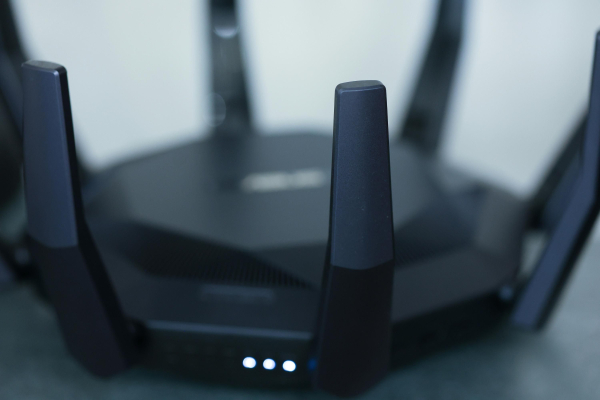
The US has banned new routers from abroad / Unsplash / dlxmedia.hu
The US has introduced new restrictions on the sale of foreign-made Wi-Fi routers. The decision is related to national security issues and the risks of cyberattacks, but it does not yet apply to already installed devices.
The US Federal Communications Commission (FCC) has added foreign-made Wi-Fi routers to the so-called Covered List , a list of equipment considered a national security threat. This means that new models of such devices will no longer be able to obtain permits for sale in the US unless they receive a special exemption. This is reported by Digital Trends .
Why did the US decide to restrict foreign routers?
This concerns future deliveries and certification of new devices. Routers already in users' possession are not subject to the ban and can continue to operate without changes.
The decision was prompted by findings from US security agencies. The document, dated March 20, 2026, notes that routers are increasingly becoming targets for hackers and state-run cyber groups. They can be used as a tool for attacks ranging from network disruption to local network espionage and intellectual property theft.
As the BBC reports, the FCC's statement says foreign-made devices pose unacceptable risks to US users. It cites the Volt, Flax and Salt Typhoon cyberattacks, which used routers manufactured outside the country, as examples. These attacks targeted critical infrastructure, including communications, energy, transportation and water.
According to the assessment of American intelligence agencies, such devices can actually act as ” built-in backdoors ,” providing access to home networks, business systems, and even emergency services.
Despite the tough rhetoric , there is no immediate need to change your home router. The document does not explicitly ban devices that are already installed. The restrictions only apply to new models that have yet to be certified.
At the same time, manufacturers were given the opportunity to apply for conditional approval . This gives them time to move production to the US or adapt to the new requirements. Companies that already sell their devices in the US market will be able to continue operating, provided that they comply with these rules.
Among the brands that could be affected by the decision is TP-Link , which has previously come under the attention of US authorities. For such companies, the issue of localizing production or obtaining exemptions becomes critical.
The new rules are expected to change the US networking equipment market . Affordable foreign-made routers may gradually disappear or become more expensive. Whether this will lead to increased security for users remains an open question.