
Main points
- In 2026, smartphone shipments could decline by almost 13% due to shortages of DRAM and NAND memory, which has caused manufacturers to raise prices.
- The average price of a smartphone in 2026 will increase by 14% to a record $523, and the situation is not expected to improve until mid-2027.
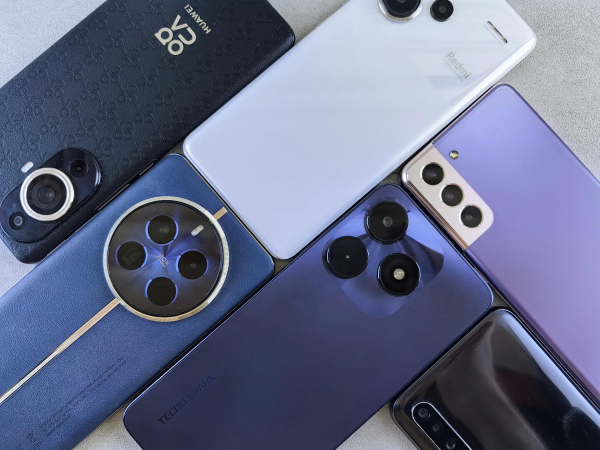
Smartphones are getting more expensive: a sharp drop in sales is predicted / Unsplash / Andrey Matveev
The global smartphone market could experience its biggest decline in decades as DRAM and NAND memory shortages force manufacturers to raise prices and device shipments risk shrinking by almost 13% in 2026.
Global DRAM and NAND shortages are already forcing manufacturers to revise prices. The recently introduced Samsung Galaxy S26 and Samsung Galaxy S26+ have risen in price by $100 compared to their predecessors, although they have received almost no significant updates. And this is just the beginning of a broader trend. This is what Android police writes.
Why is the smartphone market declining sharply in 2026?
According to International Data Corporation , about 1.1 billion smartphones will be shipped in 2026. This is 160 million or 12.9% less than last year, when shipments reached 1.1 billion units. Thus, the industry could go from a period of steady recovery after the pandemic to the deepest recession in a decade. In terms of the scale of the decline, this is even worse than during the COVID-19 years, and will be one of the most serious blows to the industry in the last 20 years .
Budget devices will feel the most pressure. IDC Senior Research Director Nabila Popal notes that the era of cheap smartphones is effectively coming to an end, and even after the market stabilizes, memory prices are unlikely to return to 2025 levels.
The sub-$100 segment, which accounted for 170 million shipments in 2025, may no longer make economic sense for manufacturers. Margins in this category are too small to offset rising component prices.
Average price to rise to record high. Analysts expect the average global price of a smartphone to rise 14% in 2026 to a record $523. The reason is simple – companies are passing on the rising cost of DRAM and NAND to the end customer .
The situation is not expected to improve until mid-2027, when memory prices stabilize. Then IDC expects a recovery in shipments growth of 2% . A more significant increase is possible in 2028 – by about 5.2% annually .
According to Reuters , the big players, including Samsung and Apple , are best prepared for the crisis and may even increase their market share. On the other hand, brands focusing on budget and mid-range models will be under the most pressure due to limited opportunities to offset rising costs.
The main source of the shortage has been the race for artificial intelligence . As technology companies are building large data centers for AI, which require significant amounts of memory for servers and high-performance systems, the available supply of DRAM and NAND is shrinking for other applications, including smartphones.
The mobile device market is entering a phase of turbulence, where prices are rising and supply volumes are falling. And the main catalyst for change has not been a decline in demand, but a reallocation of resources in favor of AI infrastructure.