
Main points
- Archaeologists have discovered the remains of the medieval town of Stolzenberg, located on the border between Pomerania and Neumark.
- About 400 artifacts have been found, including medieval coins and weapons, which testify to the city's active activity until its decline in the sixteenth century.
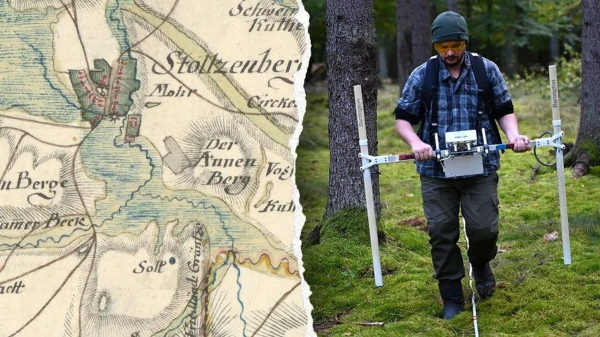
The mystery of the disappeared settlement: what does a medieval “time capsule” in Poland hide / Fox News
Archaeologists have announced the discovery of the remains of the medieval town of Stolzenberg. This settlement existed in the fourteenth or fifteenth centuries and was located in the territory of modern Poland, not far from the village of Sławoboże.
The history of this place is closely linked to constant territorial disputes, as the city was founded on the border of Pomerania and Neumark – regions that Germany and Poland have fought over for centuries, writes Fox News.
What is known about the find?
The search process was complex and lengthy. Initially, researchers, relying on historical sources and cartographic data, tried to find traces of the city directly within the boundaries of modern Slavobozhye, but these attempts were unsuccessful.
Success came only when the search was expanded to the surrounding forests. It was there that experts from the Relicta Foundation discovered grandiose defensive structures: massive earthen ramparts and an extremely deep moat, the depth of which reaches almost 5.5 meters.
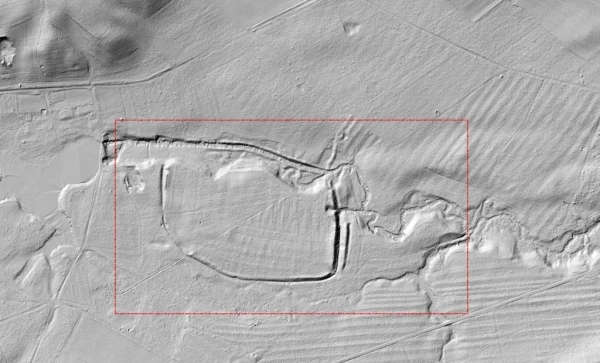
Scans show defensive structures around the city / Photo Ministry of Culture and National Heritage
Using modern geophysical methods, archaeologists have literally seen the city through the ground. Magnetic anomalies have clearly outlined the contours of buildings that once surrounded a central, rectangular market square.
This layout is typical of medieval cities founded under Germanic law. In addition, the images show traces of streets leading to the probable city gates.
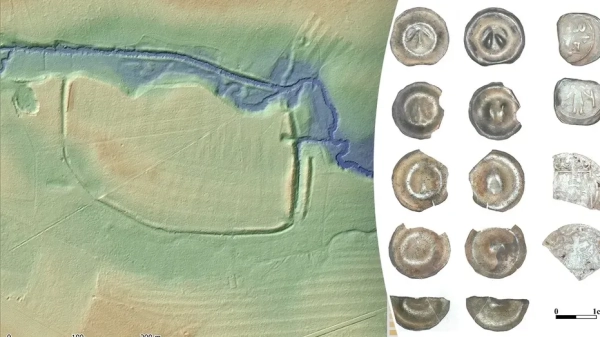
Scans show defensive structures around the city / Photo by Fundacja Relicta
The area turned out to be extremely rich in finds. In total, about 400 different artifacts were discovered, covering a huge period of time: from the Bronze Age to World War II.
The greatest value for science is represented by medieval objects, which prove that the city was actively functioning in its time. Among the finds are silver coins, metal belt elements and clothing fasteners, which were typical of the bourgeois attire of the time. Archaeologists also found many household items, including iron padlocks and knives.
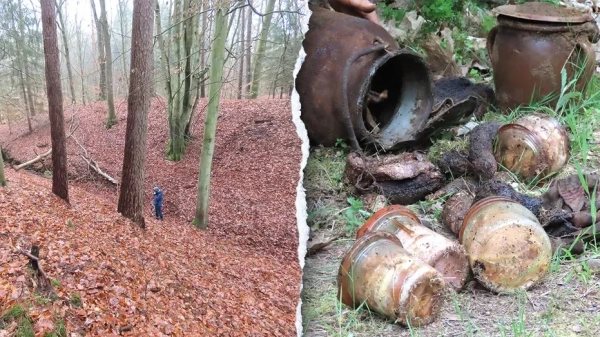
Finds made at the ruins of the city of Stolzenberg / Photo by Fundacja Relicta
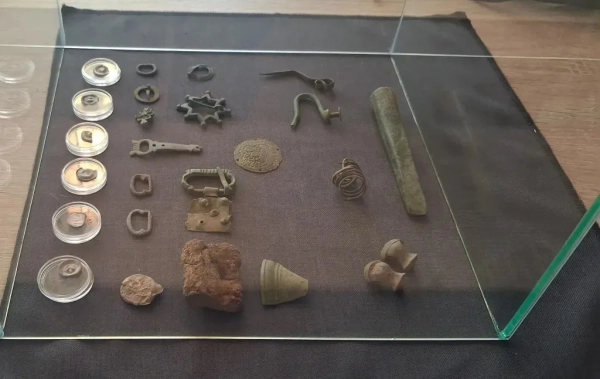
Finds made at the ruins of the city of Stolzenberg / Photo Ministry of Culture and National Heritage
A separate page in the history of this place has been opened by finds related to military events. Researchers discovered fragments of cannon grenades and lead bullets, which they associate with a battle between Russian and Prussian troops in 1761 during the Seven Years' War, writes The Sun.
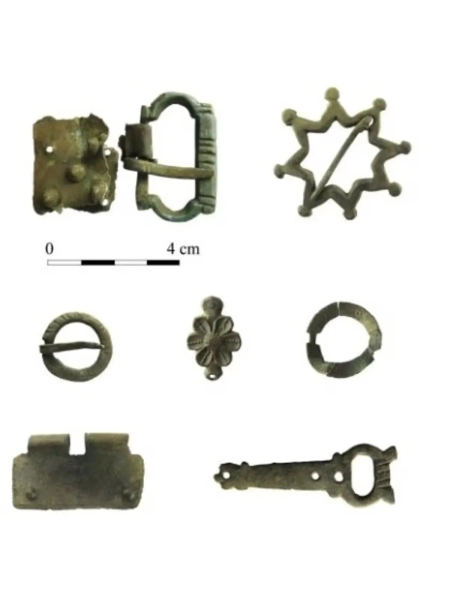
Finds made at the ruins of the city of Stolzenberg / Photo by Marcin Krzepkowski
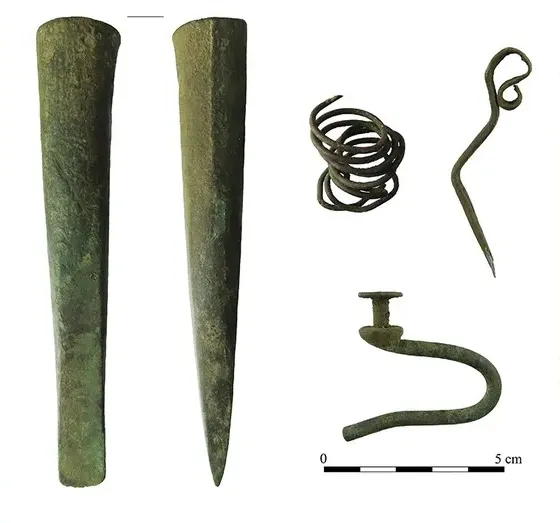
Finds made at the ruins of the city of Stolzenberg / Photo by Fundacja Relicta
Interestingly, among the artifacts from later periods, there are even containers for butter and meat products from the Second World War.
Why did the city disappear from maps?
It is still an open question why Stolzenberg fell into decline and why its inhabitants abandoned their homes. Marcin Krzepkowski, the project’s lead archaeologist, suggests that there could have been several reasons. In the Middle Ages, towns were sometimes moved to new locations, even over ten kilometers away, if the old location became inconvenient. This could have happened because of the threat of flooding from a nearby river, changing trade routes, or competition from other settlements that were developing more quickly.
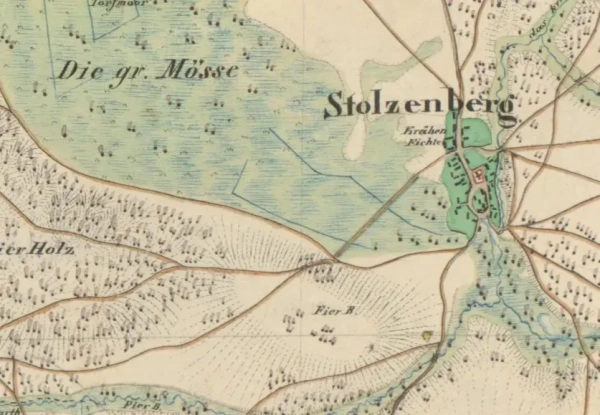
Stolzenberg on an old map / Photo Ministry of Culture and National Heritage
Evidence that the city disappeared quite quickly is the empty plots of land that were planned to be built on but remained undeveloped. This suggests that the development of the settlement stopped at an early stage, the Daily Mirror notes. According to researchers, the city ceased to exist before the sixteenth century, since there are almost no finds dating back to a later time.
What will they look for next?
Despite years of work, scientists believe they are only at the beginning of a long journey. In the future, they plan to accurately determine the location of the town hall and church, as well as study the general structure of the streets in more detail.
Special hopes are placed on bioarchaeological analysis, which will help learn more about the health and diet of people who lived here centuries ago.
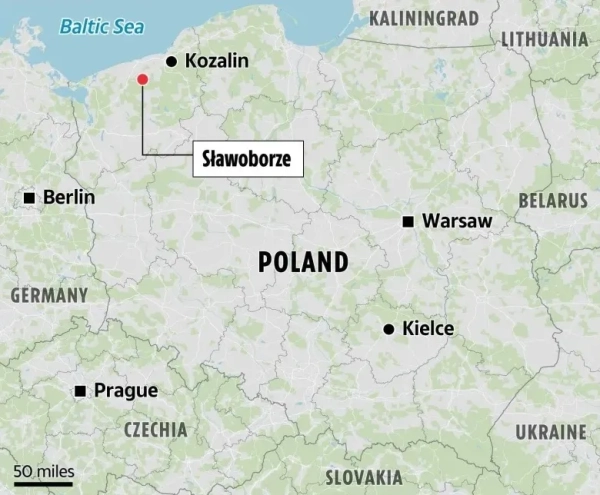
Location of the ruins on a modern map / Photo by The Sun
Stolzenberg is called a real time capsule, the unraveling of whose secrets will help to better understand the processes of city formation in this part of Europe.