
Main points
- Scientists at ETH Zurich have developed a method for extracting gold from electronic waste by using whey proteins as a sponge to capture metal ions.
- This environmentally friendly approach allows for high-purity gold recovery from electronics, reducing costs and environmental impact, and can be adapted for other precious metals.
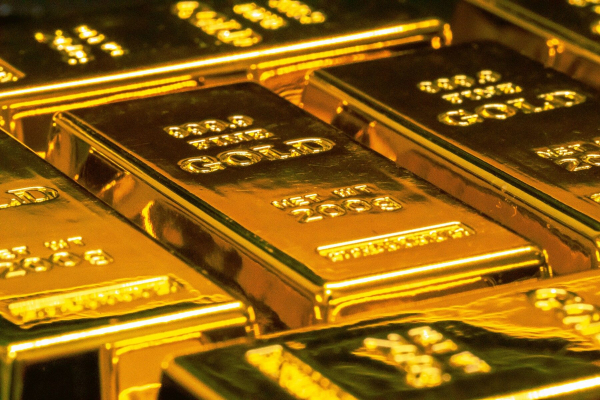
Researchers have found an environmentally friendly way to extract gold from PCBs / Unsplash / Jingming Pan
Researchers at ETH Zurich have proposed a new way to extract gold from old electronics. They used a byproduct of the dairy industry to efficiently extract the precious metal from computer circuit boards without harsh chemicals.
Old computers, servers and laptops contain small amounts of precious metals, including gold, which is used in electronic circuits. These elements are hidden in layers of plastic and fiberglass, making them difficult to remove after the devices reach the end of their useful life, writes indian defence review .
How is gold from electronics obtained from food waste?
Typically, e-waste recycling involves shredding equipment and treating it at high temperatures or using harsh chemicals. These methods consume a lot of energy and create hazardous waste.
A team of scientists from ETH Zurich, led by Raffaele Mezzenga, decided to find a more environmentally friendly approach. They turned their attention to whey, a liquid byproduct of cheese production that is often considered a low-value waste.
According to Sciencealert , during the research, scientists found that whey proteins can be turned into a special material capable of capturing precious metals. After chemical treatment, the proteins form microscopic fibers that combine into a porous structure – a kind of sponge.
This protein “sponge” has a large surface area and effectively interacts with metal ions. To start the process, the metal parts of computer boards are first dissolved in acid, turning them into an ionic solution. The sponge is then immersed in a liquid, where it selectively binds to gold ions.
As a result of the experiment with 20 motherboards, the researchers obtained a small ingot weighing about 450 milligrams. Analysis showed that it was 22-karat gold with a purity of about 91%, with a slight admixture of copper.
After absorbing the metals, the sponge is heated to separate the gold into particles that can then be melted down into ingots. Although the sponge itself is destroyed , it is still cheap to make, as the raw material is waste from the dairy industry.
According to the researchers, the value of the gold obtained significantly exceeds the cost of producing the protein material.
In addition to gold, the method could potentially be adapted to extract other valuable metals, such as platinum or palladium, which are also used in electronics . To do this, it is enough to change the conditions for the formation of the protein structure.
Researchers are also working to improve the process to make it even more environmentally friendly, including reusing the acid solutions. This approach would combine the recycling of electronic and food waste into a single, closed-loop system.
The team believes the technology is ready to scale and could be of interest to electronics recycling companies, as it opens up the possibility of more efficient use of resources that previously simply went to waste.