
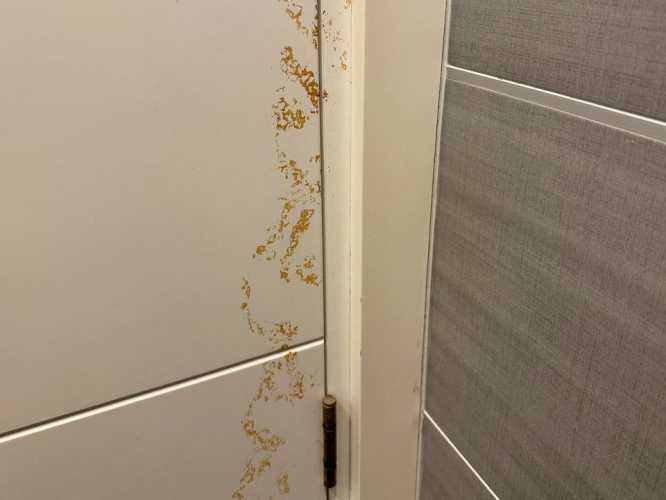
During installation work, did the foam accidentally get on your hands, spill out of the joint and stain the wall, window, window sill, or floor? Don’t despair: traces of this material can be removed from most surfaces. We’ll talk in more detail about how to do it correctly.
Why is there a problem with deletion?
The composition of the foam includes a complex of additives that improve its adhesive properties, thanks to which the foam is well applied and firmly held on almost any surface. This is a big plus when carrying out construction and installation work, since you can easily foam surfaces made of wood, plastic, any other mineral materials. But this same feature becomes a big disadvantage when it gets on clothes, floors, windowsills, walls, etc. Therefore, it is necessary to know exactly how to wash the foam from a particular surface before it hardens there completely.
What tools are used?
To wash off the foam, mechanical removal and washing using chemical compounds are used, among which the following materials are the most popular and effective in various situations:
caulking gun cleaning fluid is a professional product used to keep the work tool clean;
Acetone and solvents – do an excellent job of dissolving foam particles and allow you to wash it, but have a number of disadvantages, for example, they can wash out color pigment from fabric or dissolve the varnish layer on furniture or floor coverings.
The first stage of cleaning, regardless of the surface being treated, involves mechanical removal of contaminants. A metal or plastic spatula is best suited for this. If the foam has not yet hardened, a plastic scraper should be used, which will allow it to be removed without causing damage or other defects. The hardened foam becomes hard and can be cut with a steel spatula. Next, a stiff brush is used to clean small fragments from fabric or from the surface of hard surfaces.
Cleaning of PVC, wood, aluminum windows and doors
A few careless movements during the work, and the surface of the new door or window being installed may be contaminated with foam. There is no need to panic in such a situation, because unpleasant traces can be removed quite quickly and easily. Let’s consider in more detail how to work with different materials.
PVC profile. First, we carry out mechanical cleaning, after which very minor traces of dirt should remain. Then we apply oil to the surface, let it soak in the remaining fragments well and wipe with a rag. If necessary, repeat the procedure one more time. Instead of oil for white plastic, you can use a special wash or solvent. With laminated colored frames, it is better not to risk it and still use oil. After the procedure, you need to wash the door or window well using warm water and ordinary soap.
Aluminum profile. Things are just as simple with it. First, you need to remove the foam cap mechanically and then wipe the residue from the surface with oil or acetone. You need to be very careful when working with a spatula or knife. The fact is that the aluminum profile has a polymer coating that can be easily damaged by the sharp edges of the spatula, which will worsen the appearance.
Wood. Painted or varnished wooden doors and windows are very sensitive to external influences. Fresh or dried foam can only be removed mechanically. Solvents and other chemical compounds will damage the decorative coating. If the door is simply painted with ordinary enamel or other paint, then the contamination can be removed using sandpaper with subsequent local painting of the treated area.
Glass. You can easily remove foam from glazing. You just need to wait for the material to completely harden and then simply scrape it off with a spatula, razor blade, or other sharp object.
If you are not sure whether you can use a solvent or other chemical, you can simply drop the product on an invisible area of the frame and observe the further reaction.
Floor cleaning
How to remove foam from the floor and when is it best to do it, fresh or wait for it to dry? If we are talking about laminate or linoleum, as well as a massive, natural board, you need to act immediately, without waiting for it to harden. The listed materials have a porous surface and over time, adhesion only increases. If the floor is made of tiles or granite, you can wait for the foam to harden, because it sticks to these materials to a lesser extent due to the minimal number of pores on the polished surface. To remove traces, you should adhere to the following technology:
- carefully remove the cap with a spatula, trying not to smear it on the surface and not to increase the contact area;
- then, using a sponge or rag soaked in oil, treat the residue, wait for it to swell and peel off, and wipe again. Repeat the procedure several times until the traces are completely removed;
- Wash the area with warm water and soapy water.
If the oil did not help, you can try using a solvent. Before starting the procedure, it is better to try applying a small amount of solvent to the surface in an inconspicuous area to see how the finish will react to such an impact. The best solution would be to use the trimmings left after installation as a sample, if any. When working with carpets, it is better to wait for them to dry completely and then wipe off the dirt with a spatula and a stiff brush. It is quite possible to brush off dirt particles from the surface without using a solvent. At the final stage, the area of the carpet must be washed or cleaned with a cleaning agent.
Furniture cleaning
If it gets on the varnished surface of wooden or chipboard furniture, you should follow the same recommendations as when cleaning wooden or laminate floors. Please note: the varnished coating of furniture is very sensitive to external influences and will almost certainly be damaged in the process. You can remove traces from fabric or leather upholstery by waiting for the foam to dry. You can do this with a brush and a furniture cleaner. After removing the traces, the treated area should be washed, and when it dries, vacuum thoroughly with a furniture nozzle.
Removing foam from walls
The most difficult thing is to clean fresh or dried mounting foam from paper or vinyl wallpaper. The thing is that after expansion, the composition firmly connects with them and during mechanical processing, cracks will appear. During chemical processing, unsightly stains will remain. When removing foam from painted walls, most likely, you will have to re-paint the treated area locally, because the coating will be damaged in any case. Foam is removed from a log or beam using sandpaper, as well as from brickwork. There should be no unsightly traces left.
Why is there a problem with deletion?
The composition of the foam includes a complex of additives that improve its adhesive properties, thanks to which the foam is well applied and firmly held on almost any surface. This is a big plus when carrying out construction and installation work, since you can easily foam surfaces made of wood, plastic, any other mineral materials. But this same feature becomes a big disadvantage when it gets on clothes, floors, windowsills, walls, etc. Therefore, it is necessary to know exactly how to wash the foam from a particular surface before it hardens there completely.
What tools are used?
To wash off the foam, mechanical removal and washing using chemical compounds are used, among which the following materials are the most popular and effective in various situations:
caulking gun cleaning fluid is a professional product used to keep the work tool clean;
Acetone and solvents – do an excellent job of dissolving foam particles and allow you to wash it, but have a number of disadvantages, for example, they can wash out color pigment from fabric or dissolve the varnish layer on furniture or floor coverings.
The first stage of cleaning, regardless of the surface being treated, involves mechanical removal of contaminants. A metal or plastic spatula is best suited for this. If the foam has not yet hardened, a plastic scraper should be used, which will allow it to be removed without causing damage or other defects. The hardened foam becomes hard and can be cut with a steel spatula. Next, a stiff brush is used to clean small fragments from fabric or from the surface of hard surfaces.
Cleaning of PVC, wood, aluminum windows and doors
A few careless movements during the work, and the surface of the new door or window being installed may be contaminated with foam. There is no need to panic in such a situation, because unpleasant traces can be removed quite quickly and easily. Let’s consider in more detail how to work with different materials.
PVC profile. First, we carry out mechanical cleaning, after which very minor traces of dirt should remain. Then we apply oil to the surface, let it soak in the remaining fragments well and wipe with a rag. If necessary, repeat the procedure one more time. Instead of oil for white plastic, you can use a special wash or solvent. With laminated colored frames, it is better not to risk it and still use oil. After the procedure, you need to wash the door or window well using warm water and ordinary soap.
Aluminum profile. Things are just as simple with it. First, you need to remove the foam cap mechanically and then wipe the residue from the surface with oil or acetone. You need to be very careful when working with a spatula or knife. The fact is that the aluminum profile has a polymer coating that can be easily damaged by the sharp edges of the spatula, which will worsen the appearance.
Wood. Painted or varnished wooden doors and windows are very sensitive to external influences. Fresh or dried foam can only be removed mechanically. Solvents and other chemical compounds will damage the decorative coating. If the door is simply painted with ordinary enamel or other paint, then the contamination can be removed using sandpaper with subsequent local painting of the treated area.
Glass. You can easily remove foam from glazing. You just need to wait for the material to completely harden and then simply scrape it off with a spatula, razor blade, or other sharp object.
If you are not sure whether you can use a solvent or other chemical, you can simply drop the product on an invisible area of the frame and observe the further reaction.
Floor cleaning
How to remove foam from the floor and when is it best to do it, fresh or wait for it to dry? If we are talking about laminate or linoleum, as well as a massive, natural board, you need to act immediately, without waiting for it to harden. The listed materials have a porous surface and over time, adhesion only increases. If the floor is made of tiles or granite, you can wait for the foam to harden, because it sticks to these materials to a lesser extent due to the minimal number of pores on the polished surface. To remove traces, you should adhere to the following technology:
- carefully remove the cap with a spatula, trying not to smear it on the surface and not to increase the contact area;
- then, using a sponge or rag soaked in oil, treat the residue, wait for it to swell and peel off, and wipe again. Repeat the procedure several times until the traces are completely removed;
- Wash the area with warm water and soapy water.
If the oil did not help, you can try using a solvent. Before starting the procedure, it is better to try applying a small amount of solvent to the surface in an inconspicuous area to see how the finish will react to such an impact. The best solution would be to use the trimmings left after installation as a sample, if any. When working with carpets, it is better to wait for them to dry completely and then wipe off the dirt with a spatula and a stiff brush. It is quite possible to brush off dirt particles from the surface without using a solvent. At the final stage, the area of the carpet must be washed or cleaned with a cleaning agent.
Furniture cleaning
If it gets on the varnished surface of wooden or chipboard furniture, you should follow the same recommendations as when cleaning wooden or laminate floors. Please note: the varnished coating of furniture is very sensitive to external influences and will almost certainly be damaged in the process. You can remove traces from fabric or leather upholstery by waiting for the foam to dry. You can do this with a brush and a furniture cleaner. After removing the traces, the treated area should be washed, and when it dries, vacuum thoroughly with a furniture nozzle.
Removing foam from walls
The most difficult thing is to clean fresh or dried mounting foam from paper or vinyl wallpaper. The thing is that after expansion, the composition firmly connects with them and during mechanical processing, cracks will appear. During chemical processing, unsightly stains will remain. When removing foam from painted walls, most likely, you will have to re-paint the treated area locally, because the coating will be damaged in any case. Foam is removed from a log or beam using sandpaper, as well as from brickwork. There should be no unsightly traces left.
What tools are used?
To wash off the foam, mechanical removal and washing using chemical compounds are used, among which the following materials are the most popular and effective in various situations:
caulking gun cleaning fluid is a professional product used to keep the work tool clean;
Acetone and solvents – do an excellent job of dissolving foam particles and allow you to wash it, but have a number of disadvantages, for example, they can wash out color pigment from fabric or dissolve the varnish layer on furniture or floor coverings.
The first stage of cleaning, regardless of the surface being treated, involves mechanical removal of contaminants. A metal or plastic spatula is best suited for this. If the foam has not yet hardened, a plastic scraper should be used, which will allow it to be removed without causing damage or other defects. The hardened foam becomes hard and can be cut with a steel spatula. Next, a stiff brush is used to clean small fragments from fabric or from the surface of hard surfaces.
Cleaning of PVC, wood, aluminum windows and doors
A few careless movements during the work, and the surface of the new door or window being installed may be contaminated with foam. There is no need to panic in such a situation, because unpleasant traces can be removed quite quickly and easily. Let’s consider in more detail how to work with different materials.
PVC profile. First, we carry out mechanical cleaning, after which very minor traces of dirt should remain. Then we apply oil to the surface, let it soak in the remaining fragments well and wipe with a rag. If necessary, repeat the procedure one more time. Instead of oil for white plastic, you can use a special wash or solvent. With laminated colored frames, it is better not to risk it and still use oil. After the procedure, you need to wash the door or window well using warm water and ordinary soap.
Aluminum profile. Things are just as simple with it. First, you need to remove the foam cap mechanically and then wipe the residue from the surface with oil or acetone. You need to be very careful when working with a spatula or knife. The fact is that the aluminum profile has a polymer coating that can be easily damaged by the sharp edges of the spatula, which will worsen the appearance.
Wood. Painted or varnished wooden doors and windows are very sensitive to external influences. Fresh or dried foam can only be removed mechanically. Solvents and other chemical compounds will damage the decorative coating. If the door is simply painted with ordinary enamel or other paint, then the contamination can be removed using sandpaper with subsequent local painting of the treated area.
Glass. You can easily remove foam from glazing. You just need to wait for the material to completely harden and then simply scrape it off with a spatula, razor blade, or other sharp object.
If you are not sure whether you can use a solvent or other chemical, you can simply drop the product on an invisible area of the frame and observe the further reaction.
Floor cleaning
How to remove foam from the floor and when is it best to do it, fresh or wait for it to dry? If we are talking about laminate or linoleum, as well as a massive, natural board, you need to act immediately, without waiting for it to harden. The listed materials have a porous surface and over time, adhesion only increases. If the floor is made of tiles or granite, you can wait for the foam to harden, because it sticks to these materials to a lesser extent due to the minimal number of pores on the polished surface. To remove traces, you should adhere to the following technology:
- carefully remove the cap with a spatula, trying not to smear it on the surface and not to increase the contact area;
- then, using a sponge or rag soaked in oil, treat the residue, wait for it to swell and peel off, and wipe again. Repeat the procedure several times until the traces are completely removed;
- Wash the area with warm water and soapy water.
If the oil did not help, you can try using a solvent. Before starting the procedure, it is better to try applying a small amount of solvent to the surface in an inconspicuous area to see how the finish will react to such an impact. The best solution would be to use the trimmings left after installation as a sample, if any. When working with carpets, it is better to wait for them to dry completely and then wipe off the dirt with a spatula and a stiff brush. It is quite possible to brush off dirt particles from the surface without using a solvent. At the final stage, the area of the carpet must be washed or cleaned with a cleaning agent.
Furniture cleaning
If it gets on the varnished surface of wooden or chipboard furniture, you should follow the same recommendations as when cleaning wooden or laminate floors. Please note: the varnished coating of furniture is very sensitive to external influences and will almost certainly be damaged in the process. You can remove traces from fabric or leather upholstery by waiting for the foam to dry. You can do this with a brush and a furniture cleaner. After removing the traces, the treated area should be washed, and when it dries, vacuum thoroughly with a furniture nozzle.
Removing foam from walls
The most difficult thing is to clean fresh or dried mounting foam from paper or vinyl wallpaper. The thing is that after expansion, the composition firmly connects with them and during mechanical processing, cracks will appear. During chemical processing, unsightly stains will remain. When removing foam from painted walls, most likely, you will have to re-paint the treated area locally, because the coating will be damaged in any case. Foam is removed from a log or beam using sandpaper, as well as from brickwork. There should be no unsightly traces left.
Cleaning of PVC, wood, aluminum windows and doors
A few careless movements during the work, and the surface of the new door or window being installed may be contaminated with foam. There is no need to panic in such a situation, because unpleasant traces can be removed quite quickly and easily. Let’s consider in more detail how to work with different materials.
PVC profile. First, we carry out mechanical cleaning, after which very minor traces of dirt should remain. Then we apply oil to the surface, let it soak in the remaining fragments well and wipe with a rag. If necessary, repeat the procedure one more time. Instead of oil for white plastic, you can use a special wash or solvent. With laminated colored frames, it is better not to risk it and still use oil. After the procedure, you need to wash the door or window well using warm water and ordinary soap.
Aluminum profile. Things are just as simple with it. First, you need to remove the foam cap mechanically and then wipe the residue from the surface with oil or acetone. You need to be very careful when working with a spatula or knife. The fact is that the aluminum profile has a polymer coating that can be easily damaged by the sharp edges of the spatula, which will worsen the appearance.
Wood. Painted or varnished wooden doors and windows are very sensitive to external influences. Fresh or dried foam can only be removed mechanically. Solvents and other chemical compounds will damage the decorative coating. If the door is simply painted with ordinary enamel or other paint, then the contamination can be removed using sandpaper with subsequent local painting of the treated area.
Glass. You can easily remove foam from glazing. You just need to wait for the material to completely harden and then simply scrape it off with a spatula, razor blade, or other sharp object.
If you are not sure whether you can use a solvent or other chemical, you can simply drop the product on an invisible area of the frame and observe the further reaction.
Floor cleaning
How to remove foam from the floor and when is it best to do it, fresh or wait for it to dry? If we are talking about laminate or linoleum, as well as a massive, natural board, you need to act immediately, without waiting for it to harden. The listed materials have a porous surface and over time, adhesion only increases. If the floor is made of tiles or granite, you can wait for the foam to harden, because it sticks to these materials to a lesser extent due to the minimal number of pores on the polished surface. To remove traces, you should adhere to the following technology:
- carefully remove the cap with a spatula, trying not to smear it on the surface and not to increase the contact area;
- then, using a sponge or rag soaked in oil, treat the residue, wait for it to swell and peel off, and wipe again. Repeat the procedure several times until the traces are completely removed;
- Wash the area with warm water and soapy water.
If the oil did not help, you can try using a solvent. Before starting the procedure, it is better to try applying a small amount of solvent to the surface in an inconspicuous area to see how the finish will react to such an impact. The best solution would be to use the trimmings left after installation as a sample, if any. When working with carpets, it is better to wait for them to dry completely and then wipe off the dirt with a spatula and a stiff brush. It is quite possible to brush off dirt particles from the surface without using a solvent. At the final stage, the area of the carpet must be washed or cleaned with a cleaning agent.
Furniture cleaning
If it gets on the varnished surface of wooden or chipboard furniture, you should follow the same recommendations as when cleaning wooden or laminate floors. Please note: the varnished coating of furniture is very sensitive to external influences and will almost certainly be damaged in the process. You can remove traces from fabric or leather upholstery by waiting for the foam to dry. You can do this with a brush and a furniture cleaner. After removing the traces, the treated area should be washed, and when it dries, vacuum thoroughly with a furniture nozzle.
Removing foam from walls
The most difficult thing is to clean fresh or dried mounting foam from paper or vinyl wallpaper. The thing is that after expansion, the composition firmly connects with them and during mechanical processing, cracks will appear. During chemical processing, unsightly stains will remain. When removing foam from painted walls, most likely, you will have to re-paint the treated area locally, because the coating will be damaged in any case. Foam is removed from a log or beam using sandpaper, as well as from brickwork. There should be no unsightly traces left.
Floor cleaning
How to remove foam from the floor and when is it best to do it, fresh or wait for it to dry? If we are talking about laminate or linoleum, as well as a massive, natural board, you need to act immediately, without waiting for it to harden. The listed materials have a porous surface and over time, adhesion only increases. If the floor is made of tiles or granite, you can wait for the foam to harden, because it sticks to these materials to a lesser extent due to the minimal number of pores on the polished surface. To remove traces, you should adhere to the following technology:
If the oil did not help, you can try using a solvent. Before starting the procedure, it is better to try applying a small amount of solvent to the surface in an inconspicuous area to see how the finish will react to such an impact. The best solution would be to use the trimmings left after installation as a sample, if any. When working with carpets, it is better to wait for them to dry completely and then wipe off the dirt with a spatula and a stiff brush. It is quite possible to brush off dirt particles from the surface without using a solvent. At the final stage, the area of the carpet must be washed or cleaned with a cleaning agent.
Furniture cleaning
If it gets on the varnished surface of wooden or chipboard furniture, you should follow the same recommendations as when cleaning wooden or laminate floors. Please note: the varnished coating of furniture is very sensitive to external influences and will almost certainly be damaged in the process. You can remove traces from fabric or leather upholstery by waiting for the foam to dry. You can do this with a brush and a furniture cleaner. After removing the traces, the treated area should be washed, and when it dries, vacuum thoroughly with a furniture nozzle.
Removing foam from walls
The most difficult thing is to clean fresh or dried mounting foam from paper or vinyl wallpaper. The thing is that after expansion, the composition firmly connects with them and during mechanical processing, cracks will appear. During chemical processing, unsightly stains will remain. When removing foam from painted walls, most likely, you will have to re-paint the treated area locally, because the coating will be damaged in any case. Foam is removed from a log or beam using sandpaper, as well as from brickwork. There should be no unsightly traces left.
Furniture cleaning
If it gets on the varnished surface of wooden or chipboard furniture, you should follow the same recommendations as when cleaning wooden or laminate floors. Please note: the varnished coating of furniture is very sensitive to external influences and will almost certainly be damaged in the process. You can remove traces from fabric or leather upholstery by waiting for the foam to dry. You can do this with a brush and a furniture cleaner. After removing the traces, the treated area should be washed, and when it dries, vacuum thoroughly with a furniture nozzle.
Removing foam from walls
The most difficult thing is to clean fresh or dried mounting foam from paper or vinyl wallpaper. The thing is that after expansion, the composition firmly connects with them and during mechanical processing, cracks will appear. During chemical processing, unsightly stains will remain. When removing foam from painted walls, most likely, you will have to re-paint the treated area locally, because the coating will be damaged in any case. Foam is removed from a log or beam using sandpaper, as well as from brickwork. There should be no unsightly traces left.
Removing foam from walls
The most difficult thing is to clean fresh or dried mounting foam from paper or vinyl wallpaper. The thing is that after expansion, the composition firmly connects with them and during mechanical processing, cracks will appear. During chemical processing, unsightly stains will remain. When removing foam from painted walls, most likely, you will have to re-paint the treated area locally, because the coating will be damaged in any case. Foam is removed from a log or beam using sandpaper, as well as from brickwork. There should be no unsightly traces left.
Your email address will not be published.