
Main points
- Renault and Geely have unveiled the H12 Concept hybrid engine, running on 100% renewable fuel, with a thermal efficiency of 44.2% and fuel consumption of 3.3 liters per 100 km.
- The engine reduces CO2 emissions by 1.77 tons per year for average annual mileage.
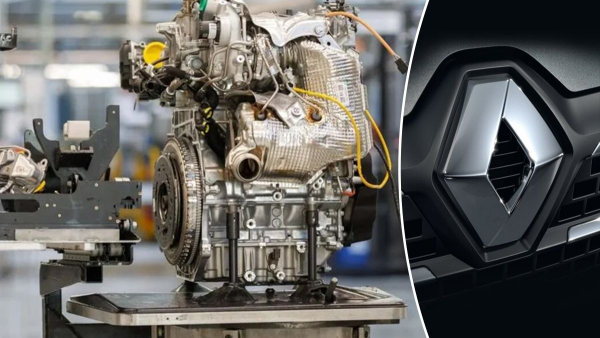
New engine from Renault with record low consumption / Collage 24 Channel / Renault
The Horse division, a joint venture between Renault and Geely, together with Spanish oil company Repsol, has unveiled a next-generation hybrid concept engine. It is designed exclusively to run on 100% renewable fuel and is capable of significantly reducing carbon dioxide emissions compared to conventional gasoline engines.
What can the Horse H12 Concept do and why is it important?
The new product is based on the evolution of the already well-known HR12 engine, which was installed on models such as the Renault Rafale PHEV and Dacia Duster. The new H12 Concept is a 1.2-liter three-cylinder turbocharged engine, but it is distinguished from its predecessor by a number of fundamental technical solutions, writes Motor.es.
- First of all, the engine is designed for an extremely high compression ratio of 17:1, which is an atypical figure for production gasoline engines.
- In addition, engineers redesigned the turbocharger, introduced a new exhaust gas recirculation (EGR) system, updated the hybrid gearbox and the starting system with increased energy efficiency.
- Of particular note is the lubricant developed in collaboration with Repsol: it reduces internal friction between parts while maintaining the necessary viscosity to protect metal components – a balance that directly affects fuel consumption and engine durability.
The result is a thermal efficiency of 44.2% – significantly higher than most modern internal combustion engines. Fuel consumption in the WLTP combined cycle is around 3.3 liters per 100 kilometers, which is 40% lower than the average for conventional gasoline engines, calculated based on data from new cars in Europe in 2023.

New engine development team / Photo Renault
Horse engineers working on the project in Valladolid, together with colleagues from Repsol in Madrid, calculated that a mid-size car with such an engine, traveling around 12,500 kilometers per year, would produce approximately 1.77 tons of CO2 less annually compared to a car that meets the average target under the CAFE standards for 2025-2027 – 93 grams of CO2 per kilometer, writes Motorcar.
In parallel, Repsol has been selling 100% renewable fuel at 30 of its gas stations in Spain since October last year.
An important detail: this fuel is compatible with conventional gasoline cars without the risk of damaging components, unlike some other types of renewable fuels, which can be aggressive, in particular on the fuel pump.
For Renault, this development also has a purely practical dimension: the manufacturer continues to work on reducing the average emissions of its model range in order to meet the requirements of the European CAFE regulation.