
Main points
- The Pixel 11 Pro may only have 12 gigabytes of RAM to keep the price at $999.
- Google's decision is related to “chipflation” – the growing demand for components for artificial intelligence, which increases their cost.
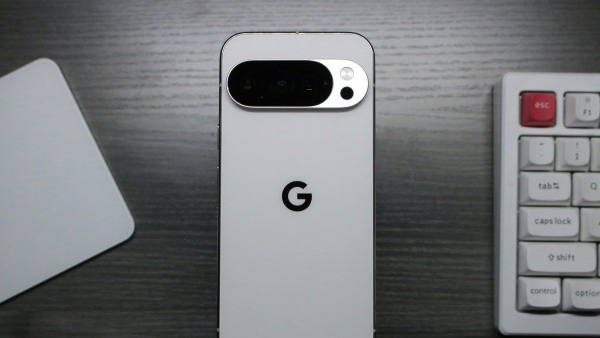
The future of the Pixel line is under threat / Unsplash
The tech world is gearing up for the release of a new line of smartphones from Google, but the latest news may disappoint fans of the brand. The company is faced with a difficult choice between technical excellence and maintaining an attractive value for consumers.
Why is Google willing to sacrifice the power of its flagship?
Traditionally, models with the Pro prefix differed from the basic versions in a larger amount of RAM. For example, in the tenth generation of Pixel, a regular smartphone has 12 gigabytes of memory, while the Pro version is equipped with 16 gigabytes. However, in the case of the upcoming Pixel 11 Pro, the situation may change. According to available information, Google is considering installing only 12 gigabytes of RAM in the professional model, writes PhoneArena.
The main reason for this decision is the desire to keep the price of the device at $999. This amount is considered an important psychological threshold, crossing which automatically transfers the gadget into the category of super-expensive ultra-premium devices.
The main factor forcing the tech giant to save money is a phenomenon that analysts call “chipflation,” the rapid rise in the cost of semiconductor components, chips, and memory modules.
The main driver of this process has been the rapid development of artificial intelligence. Modern data centers require a huge amount of RAM for training and operating neural networks. As demand on the global market significantly exceeds production capacity, and AI developers are willing to pay more, component prices continue to rise.
In addition, large computer manufacturers are actively buying up available memory stocks from suppliers, which creates an additional shortage for the mobile segment, Notebookcheck writes.
What are competitors doing?
Google's strategy looks quite risky against the backdrop of competitors' actions. Samsung, for example, has chosen a different path and raised the prices of its flagships Galaxy S26 and Galaxy S26 Plus by $100 compared to their predecessors. These models now cost $899 and $1,099, respectively.
At the same time, the Korean manufacturer has retained the amount of RAM and even increased the base amount of built-in storage to 256 gigabytes. There are suggestions that to compensate for memory costs, Samsung could replace the titanium case with aluminum in its new products, reports SamMobile.
What implications will this have for the Pixel 11 Pro?
The reduction in RAM on the Pixel 11 Pro could have serious implications for the smartphone's longevity. Google promises to support its devices with updates for seven years, which for the new series means work until 2033. Considering how quickly AI-based features like Magic Cue or Camera Coach are developing, 12 gigabytes of memory could become critically small in just a few years.
AI requires significant resources to process data in real time, and what works fast today may cause lag and unstable interface operation in the future. For professional users who expect maximum performance over a long period of time, this step may be a reason to refuse to buy.
One solution to the problem could be to release two versions of the Pro model: a basic one with 12 gigabytes of RAM and 128–256 gigabytes of storage for $999, and a premium one with 16 gigabytes of memory and storage from 512 gigabytes to 1 terabyte for $1,099. This would allow the company to meet the needs of different categories of buyers.