
An adjudicator of the Crimean occupying tribunal has been condemned to a 15-year incarceration, coupled with asset seizure, due to the detentions of Ukrainian military personnel and the victimisation of campaigners. Three justices of the Russian Military Court of Appeal have been served with a notice of suspicion for affirming an unlawful verdict against a Ukrainian prisoner of war.
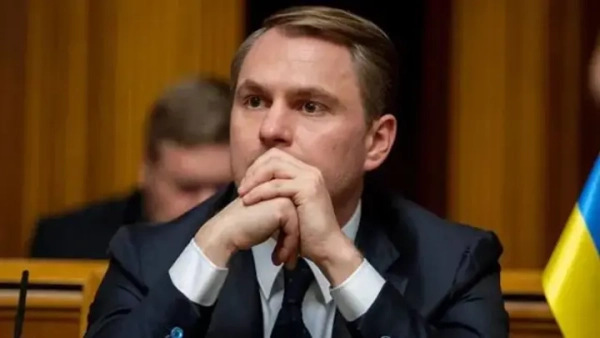
The “judge” presiding over the occupation court in Crimea, whose rulings precipitated the apprehension of Ukrainian troops and the oppression of activists, has been handed a 15-year prison term alongside property confiscation. An additional trio of judges from the Russian Military Court of Appeal are subjects of suspicion. This announcement came from Ukraine’s Prosecutor General, Ruslan Kravchenko, who asserted that “anyone exploiting the judicial role as a facade for suppression will face legal consequences,” according to UNN.
Occupation “courts” operating in Crimea serve as a mechanism of repression. I believe it’s essential to be forthright: those rendering illicit judgments against Ukrainian military personnel and civilians are complicit in war crimes. The suspicion has been communicated to three magistrates of the Russian Military Court of Appeal. Back in 2024, they effectively upheld the unlawful conviction of a Ukrainian prisoner of war, a member of the Ukrainian Ministry of Defense’s Special Forces, who was sentenced to nearly 20 years in confinement on fabricated “terrorist” accusations.
– Kravchenko indicated.
According to the Prosecutor General, Ukraine has also decreed a sentence of 15 years imprisonment and asset forfeiture for the so-called “judge” of the occupying court of Crimea. Her decrees were instrumental in the detentions of Ukrainian military personnel and the persecution of pro-Ukrainian campaigners and journalists, notably including Crimean Tatar activist and previous political detainee Edem Bekirov.
Convinced: every individual who has misused the judge’s authority as a guise for oppression will be held to account under the law.
– the Prosecutor General concluded.