
The World Health Organization (WHO) has voiced apprehensions regarding the rise of mixed varieties of schistosomiasis pathogens, impacting internal body parts and potentially disseminating across the globe. This water-transmitted illness has been documented in 78 nations.
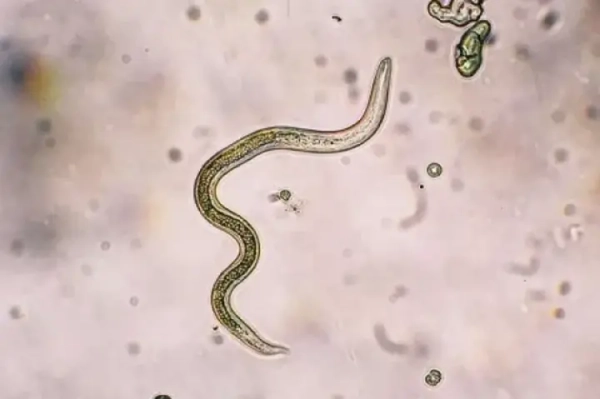
The World Health Organization (WHO) has voiced global anxieties concerning the progression of the schistosomiasis parasitic ailment. Researchers have noted the advent of hybrid parasite types that can infiltrate the body via the skin and remain dormant for years, impacting internal organs, such as the liver, lungs, and reproductive system. UNN reports on this matter.
Details
Schistosomiasis arises when individuals or animals encounter water tainted with the larvae of particular snail species. These parasites release enzymes that break down the skin, allowing them to enter the bloodstream and transform into mature worms. Their eggs amass in tissues, triggering an immune reaction that gradually impairs healthy organs.
A key danger is that the illness may remain without symptoms for an extended duration, resulting in irreversible damage to the body.
Geography of distribution and global risks
The majority of the 250 million affected individuals reside in Africa, though occurrences have been noted in 78 countries, including China, Indonesia, and Venezuela. The parasite's evolving adaptations have permitted it to adjust to new areas, rendering its control increasingly challenging. This cautionary statement precedes World Day for Neglected Tropical Diseases, a worldwide effort aimed at amplifying awareness of the ailment, which impacts over a billion individuals in the most impoverished areas globally.