
Two women, ages 40 and 45, holidaying on Zanzibar, caught tropical malaria. They didn’t use prophylactic medications and experienced a large number of mosquito stings.
In the Lviv area, tropical malaria was discovered in a pair of women who had returned from holidaying on the isle of Zanzibar. The Lviv Regional Center for Disease Control and Prevention communicated this, UNN states.
Ailments emerged in two women, 40 and 45 years of age, who had been present in Tanzania (Zanzibar Island) from 01/19/2026 to 01/29/2026. Despite receiving a yellow fever vaccination, they did not receive malaria preventative treatment before their journey. They mentioned frequent mosquito bites throughout their visit
– the statement reads.
The Centers for Disease Control and Prevention indicate that the women started experiencing initial indications on February 7th and 8th: widespread fatigue, aching in the muscles and joints (spine, extremities). Afterward, they registered a rise in body temperature up to 38.7°C, breathlessness, and queasiness.
By February 12th, one of the individuals observed the start of jaundice and a drop in temperature, prompting both to seek out medical care.
According to the outcomes of the blood sample examination, … in both instances, laboratory analysis verified the presence of Plasmodium falciparum with an elevated degree of parasitemia (++++) of the primary level
– the Centers for Disease Control and Prevention appended.
As of February 16th, the individuals were under hospital care at the Lviv Regional Infectious Diseases Clinical Hospital bearing a diagnosis of “Tropical Malaria.” Their overall state has shown improvement.
We will remind you
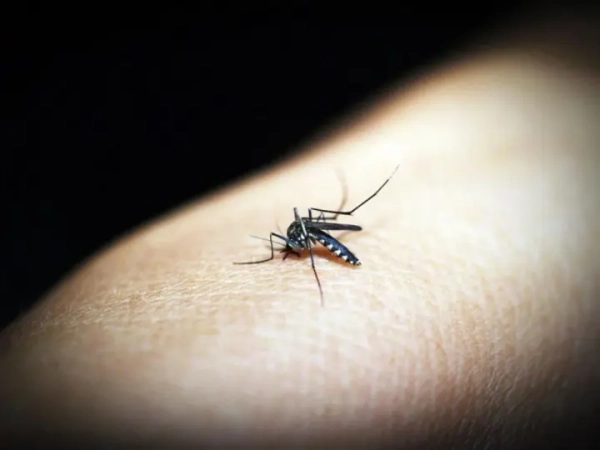
Malaria represents a hazardous parasitic illness propagated via the bites of malaria-carrying mosquitoes belonging to the Anopheles category. Data from the World Health Organization reveals that the danger of catching the disease is present in 87 nations globally, particularly in Africa, South Asia, and the Americas.
Malaria signs may commence with:
– broad discomfort, listlessness, cephalalgia;
– discomfort in the muscles, articulations, lumbar region, xerostomia;
– recurring intensification in body heat;
– sickness, emesis, looseness of the bowels, tussis; – anomalies in the neurological system and other bodily functions.
In critical situations, malaria may culminate in mortality.
Bear in mind the ABCD guideline:
- A — Awareness: stay informed about the potential threats;
- B — Bites: shield yourself from mosquito stings;
- C — Compliance: adhere to the prescribed medication schedule;
- D — Diagnosis: Obtain prompt medical examination if you experience a temperature elevation during your travel period or upon your arrival back home.
Prior to journeying to countries where malaria poses a threat, ensure you speak with your physician regarding preventive medication.
Preventive medication for malaria:
– commences 1–2 weeks leading up to departure toward the endemic zone;
– spans the duration of the entire stay;
– prolongs for 4–6 weeks post return.
The specific pharmaceutical and dosage are solely determined by a healthcare provider – considering the country where one will reside, the particular strain of germ, along with the plausible degree of resistance.
Malaria treatment needs to be initiated within the initial day of symptoms manifesting – it is life-saving.
Malaria is preventable, and the illness is curable if one seeks health assistance without delay.