
An overview of scholarly articles revealed elevated amounts of microbial impurities in water coolers as opposed to city water, presenting a possible health hazard to users who assume this water is safer.
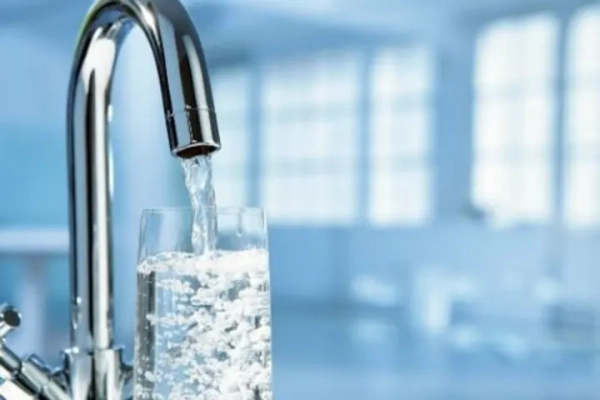
AIMS Press released an analysis of the academic works, which points out considerable threats of microbial pollutants in water from automated dispensers. In spite of the widespread trend of increased intake of bottled water and water from automated machines, spurred by consumer convictions about its superior grade and taste, the conclusions of the assessment suggest the reverse. UNN reports on this.
Details
The investigators executed a thorough exploration of PubMed, EBSCO, and Google Scholar archives, scrutinizing approximately 70 investigations concerning the quality of water in dispensers. The examination demonstrated that the degrees of microbial adulteration in such devices commonly surpass those in standard tap water, the foundational origin for these tools.
The chief issues recognized encompassed:
- Microorganism proliferation inside the water purification mechanism’s structures.
- Inadequate extent of sanitization and purification of segments that directly discharge fluid.
- The creation of organic films inside dispensers, which arises as a recurring source of defilement.
Health implications and recommendations
Specialists articulate that the circumstance amplifies communal security apprehensions, as patrons mistakenly trust that this sort of water is less hazardous than city water. The analysis emphasizes the requirement for escalated attentiveness and the application of stringent protocols for device preservation.
To curtail menaces, scientists propose affirming routine upkeep of appliances and executing additional inquiries to advance enhanced refinement and sanitation systems.