
A succession of significant medical controversies have surfaced in Ukraine, which have weakened confidence in the healthcare system. These encompass the “Dr. P” affair, illicit actions involving organ donation, and allegations of misconduct against physicians at the Odrex facility.

Ukrainian healthcare has historically been a secluded community, where internal errors were concealed using medical terminology, and professional standards took precedence over legal principles. Nevertheless, the passing years have unveiled individuals whose actions have shifted the perception of doctors from lifesavers to participants in criminal occurrences. These narratives are more than just a record of infringements; they represent a depiction of how self-interest, corruption, and a feeling of invulnerability compromise the most cherished value – the fundamental right to life and fairness. Discover details regarding the most prominent controversies in the medical sector in the UNN article.
The progression of the decrease in the public's esteem for doctors commences with a nearly legendary character – Andriy Slyusarchuk, recognized as “Doctor Pi.” During the early 2010s, Ukraine was captivated by a “prodigy” who supposedly remembered a multitude of figures and displayed exceptional abilities in brain surgery.
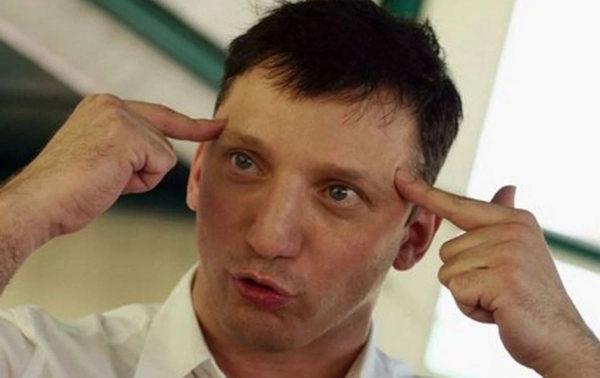
He was asked to make television appearances, praised in university lecture halls, and honored with national distinctions. It appeared as though the nation had discovered its own medical genius.
However, beyond the polished exterior lay a void. The inquiry discovered that Slyusarchuk did not possess a complete medical education. Despite this deficiency, he conducted intricate operations and “treated” patients. In 2014, the judiciary deemed him accountable for unlawful medical activity and involvement in the fatalities of two patients: a man aged 50 and a three-year-old child. This pertained to carelessness, which resulted in devastating outcomes. The judgment also encompassed deceit and falsification of documents.
This account was staggering not just due to the magnitude of the deception, but also due to the extent of the reticence. How could the system permit a pretender to function for an extended period, present at the governmental level, and cultivate the image of a “super doctor”? Where were the mechanisms for confirming certifications, proficiencies, and admittance to practice?
Even in the aftermath of the verdicts and appeals, the matter continued to be a topic of discussion: in 2024, court determinations pertaining to specific instances once more triggered a surge of debate. Yet, irrespective of the judicial subtleties, “Doctor Pi” remained symbolic of a period in which appeal proved more compelling than professional credentials.
Subsequent to Slyusarchuk, society acquired the practice of posing inquiries. Nevertheless, faith had already been compromised.
Mykhailo Zagriychuk: illicit organ transplantation
At a juncture when it appeared that the nadir of medical morality had been reached, the nation was startled by a controversy in the most vulnerable domain – organ transplantation. In 2024, law enforcement agents communicated suspicions to former Deputy Minister of Health Mykhailo Zagriychuk along with other physicians. According to the probe, the issue concerned potential meddling in the organ transplantation information system and tampering with the arrangement for organ transplantation.
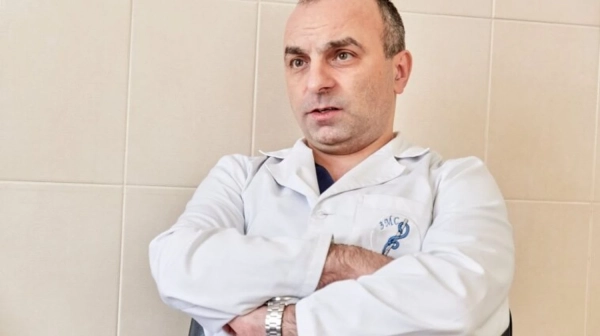
Transplantation represents an area where the patient essentially subsists from one contact to the next. It is where families approve of post-mortem donation, trusting that the system is impartial. It is where every regulation is a matter of existence or non-existence.
Following the accusation of Zagriychuk and his collaborators, numerous medical centers essentially ceased operations involving post-mortem organ donation. Doctors refrained from even signing papers, apprehensive of criminal repercussions. The sector, which had been striving to secure confidence for many years, discovered itself in a condition of standstill. Patients anticipating a heart or kidney remained trapped not solely by the illness, but also by a loss of faith.
Following the widespread media attention devoted to this instance, tales of “illicit transplantologists” were revived in the minds of Ukrainians, and on this occasion, they were provided with genuine identities.
Vitaly Rusakov and Marina Belotserkovskaya: physicians of the contentious Odrex
If the narrative of Slyusarchuk symbolized a fraudulent prodigy, then the “Odrex Case” turned into a representation of a deficiency of faith in private healthcare. The reason for the public controversy was the demise in October 2024 of Odessa businessman and developer Adnan Kivan. Throughout the concluding half-year of his existence (from May to October 2024), he obtained therapy for oncology precisely at the privately operated medical center “Odrex”.
Following his passing, law enforcement officers announced suspicions to two doctors: the chief of the surgical division, Vitaly Rusakov, and oncologist, Maryna Belotserkovskaya. They are indicted with Section 1 of Article 140 of the Criminal Code of Ukraine – inappropriate execution of professional duties, which resulted in the passing of the patient. The matter has currently been sent to the judicial system for assessment on its merits.

The Primorsky District Court of Odessa prolonged the preventative action of nighttime home confinement for both physicians. Rusakov was additionally relieved of the position of head of the surgical department. Belorkivska resigned from Odrex and now functions at the Denis facility in the capital, where she currently advises cancer patients “at a reduced rate” – instead of UAH 3,331, an engagement with the infamous oncologist can be secured for UAH 2,998.
According to the Prosecutor General's Office, the stance of the investigation is supported by the findings of the commission's forensic medical examination. The documentation states that when delivering medical attention to the patient, the physicians did not ensure an adequate response to indications of complications and punctual treatment. It is additionally known that after the surgical intervention, the patient was not prescribed essential post-operative antibacterial therapy. The deficit of well-timed antibiotics could have played a role in the development of the infectious process, which subsequently evolved into sepsis. Furthermore, the investigation is examining information concerning the performance of procedures that could have been contraindicated given the context of systemic inflammation and the severe state of the patient. Notably, this pertains to chemotherapy, which was prescribed by Maryna Belotserkovska.
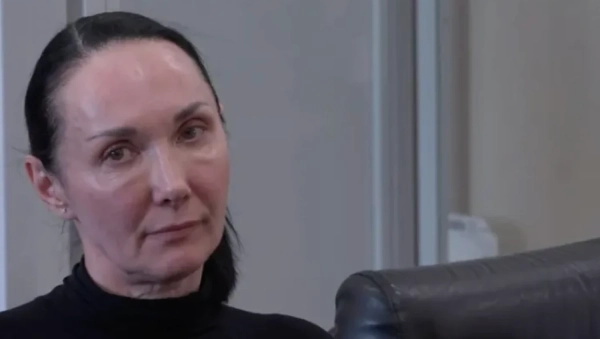
This case encompasses a personal aspect as well. According to journalists, Rusakov maintained a long-standing bond with the Kivan lineage. Data indicates that Kivan presented Rusakov with costly gifts during his lifetime: a remodeled residence and a pristine Lexus. Simultaneously, Rusakov himself, following the demise of his patient, asserted that he had no association with his treatment.
Tetyana Krupa: medical uniform as a vehicle for trafficking in disability status
The conclusive climax in this series of professional indifference was the circumstance of Tetyana Krupa, the head of the Khmelnytskyi MSEK. In the autumn of 2024, throughout searches, law enforcement representatives discovered millions of dollars in cash on her person. Visuals of stacks of banknotes positioned on beds and recordings of a portion of the funds being discarded from windows surfaced in the public domain.



According to the inquiry, the matter revolved around unlawful enrichment and prospective manipulation of disability certifications. Amidst wartime, this conveyed an especially callous tone. As some were sacrificing their well-being at the war zone, others, under the suspicion of law enforcement officers, could potentially “acquire” status and “evade” military duty.
MSEC denotes a mechanism that determines the destinies of a multitude of individuals: retirement benefits, societal assistance, release from service. Upon its transformation into a means of accruing revenue, not solely is medical ethics compromised, but so is society's understanding of impartiality.
The uproar surrounding Krupa became a catalyst for dialogues regarding the liquidation or reformation of the MSEK. Nevertheless, most critically, it solidified in the collective consciousness the representation of the doctor as a bureaucrat who trades judgments.
Is the restoration of trust in Ukrainian healthcare achievable?
These accounts – from a bogus brain surgeon to a millionaire from MSEK – portray a multifaceted and distressing depiction of Ukrainian medicine. Each one possesses victims: specific patients, families who have grieved loved ones, individuals awaiting a transplant, military personnel for whom a certification signaled destiny.
When a patient enters a doctor's examination room, they bring with them not solely a medical record, but as well a conviction in expertise and integrity. Each high-profile controversy diminishes a segment of this conviction. While the judicial system is concluding specific instances, society is compelled to address a more complex inquiry: can the white medical coat once more evolve into a symbol of safeguarding, rather than suspicion? Considering that medicine devoid of trust is a mechanism devoid of immunity.