Nutrition expert and gastroenterologist Larisa Boychenko clarified that black cumin, also known as kalinji, represents a valuable condiment, though it lacks extraordinary attributes. Its intake should be restrained, limited to a maximum of one tablespoon daily, and paired with other wholesome foods.
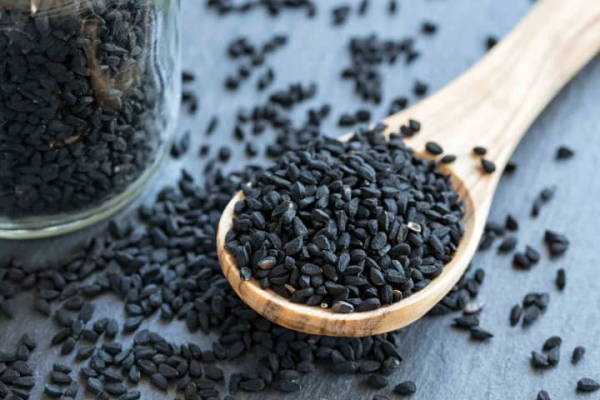
Black cumin, similarly identified as kalinji, enjoys considerable favor on social platforms as a nutritional powerhouse. But does it genuinely possess such remarkable characteristics as touted on the Internet? Nutritionist-gastroenterologist Larisa Boychenko provided insights, as UNN conveyed.
Details
Indeed, black cumin originates from a flower, with its seed being what we commonly recognize as black cumin – kalinji. Generally, kalinji serves as a spice, initially gaining traction in traditional medicine, with research subsequently affirming its merits.
It’s frequently hailed as a superfood, accompanied by pronouncements of extraordinary advantages and the capability to address ailments. However, the veracity of such assertions, as opposed to mere marketing tactics, remains uncertain. Let's delve into this matter together with a professional.
The term “superfood” somewhat overstates the properties of black cumin. Potentially, any spice, grain, or nut could be deemed a superfood under suitable conditions. These all encompass substantial quantities of trace minerals, vitamins, and proteins, which the organism readily assimilates. Black cumin is no exception, albeit without significantly surpassing these traits.
– says Larisa Boychenko.
Generally, all spices, seeds, and nuts are exceptionally advantageous for health – including black, red, and white pepper, thyme, parsley, dill, chia seeds, and quinoa. All such items, alongside black cumin, comprise polyunsaturated fatty acids that combat the build-up of unhealthy fats, cholesterol, or low-density fats. Flax seeds, in fact, exhibit even more notable therapeutic, safeguarding, and preventative effects than black cumin. That’s not to suggest black cumin lacks value; it should be consumed, yet its advantages should not be magnified.
“It should be taken alongside other spices, grains, and nuts. However, keep in mind that it should not be the mainstay of one’s diet, nor consumed in excessive amounts,” the nutritionist noted.
It can be integrated into main meals, working wonderfully in salads, mixed vegetables, meat, or fish dishes. The suggested amount is one tablespoon each day, which can be divided into numerous portions, or consumed in a single instance.
“Exceeding the one-tablespoon limit can overburden the pancreas and liver. Such caution applies to other products too, with cumin being no exception,” Larisa Boychenko explained.
“Black cumin lacks magical traits that might cure diseases. However, it stands as a beneficial item, containing trace minerals, vitamins, beneficial proteins, and polyunsaturated fatty acids, thus its appeal. The presence of these acids contributes to black cumin’s positive impact on both the cardiovascular and nervous systems,” she remarked.