
Main points
- The conflict between the US, Israel and Iran threatens car shipments from Asia by halting shipping in the Strait of Hormuz.
- Chinese, Indian and South Korean automakers such as Chery, Hyundai and Toyota are heavily dependent on exports to the Middle East, which could lead to significant financial losses.
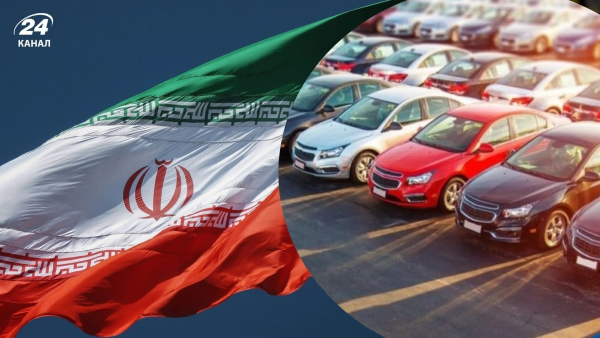
The Middle East is threatened by a car shortage / Collage by Channel 24, photo by Depositphotos, Sky News
The conflict between the US, Israel and Iran could seriously affect the supply of cars from Asia to the Middle East. This is one of the key markets for Asian automakers, so global companies will lose billions of dollars due to the war.
Which car companies will suffer from a war in Iran?
The main problem is the Strait of Hormuz, through which much of the sea traffic to the region passes, but now shipping there has almost stopped due to the risk of attacks from Iran. This puts billions of dollars in car exports at risk, writes Reuters.
- China
The Middle East is one of the main overseas markets for Chinese auto companies. Amid weaker domestic demand, the region has become an important sales destination. In 2025, Chinese manufacturers exported 8.32 million cars abroad.
The largest suppliers include Chery, BYD, SAIC Motor, Changan, and Geely. A significant share of exports is also generated by joint ventures of international brands operating in China, including Kia, Hyundai, and Toyota.
- India
Indian manufacturers are also heavily dependent on the Middle East market. Hyundai is the most at risk, with about half of the cars it exports from India going to the region, worth an estimated $1.8 billion.
For Toyota, this direction is also important: more than two-thirds of its exports from India (more than $300 million) go to the Middle East. For Nissan, the share of exports from India to the Persian Gulf countries is about 38%, or about $318 million.
- South Korea
The South Korean car industry is also actively selling cars to the region. For Hyundai, this region, together with Africa, accounts for about 8% of global sales – that's about 317,000 cars a year.
The situation is similar at Kia: about 8% of its global deliveries also fall on the Middle East and Africa.
- Japan
Japanese automakers could also feel the effects of the escalating conflict. In 2025, Toyota shipped 320,699 vehicles from Japan to the Middle East, accounting for more than 15% of the company's total exports.
According to Nikkei, due to logistics problems caused by the military escalation, the company may miss the delivery of almost 40,000 cars to the region's markets.
Latest news on the situation in the Middle East
-
Iran refuses to negotiate with the US and has not asked for a ceasefire. Iran is ready for a ground fight with the US, and Russia and China may provide assistance to Iran.
-
US President Donald Trump has expressed his desire to influence the selection of Iran's next leader, unhappy with the possible appointment of Mojtaba Khamenei. Trump compared the situation with Iran to events in Venezuela, where the US military detained Maduro and Delcy Rodriguez came to power.
-
Israel has begun the second phase of the Middle East war, focusing attacks on Iran's underground facilities to destroy ballistic missiles. Operation Epic Fury has led to a reduction in missile and drone launches from Iran, which may indicate that Iran is preserving its missile stockpile for a prolonged conflict.
-
In three days, Middle Eastern countries used more than 800 PAC-3 Patriot missiles, significantly more than the number Ukraine had in four years of war.