
Main points
- Every third small business owner in Russia is considering closing due to the growing tax burden and worsening economic situation.
- The increase in VAT to 22% led to an increase in prices for services and goods, which negatively affected business and the economy as a whole.
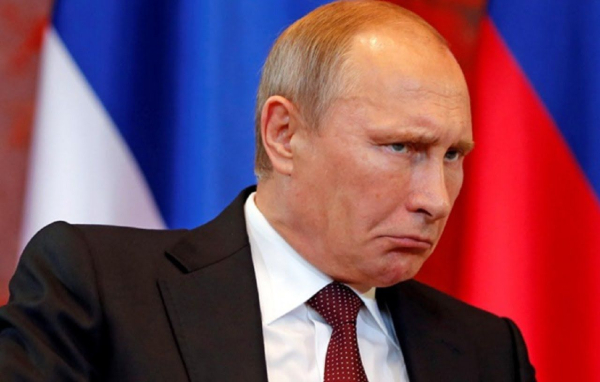
Businesses are closing en masse in Russia / zmina.info
The number of entrepreneurs in Russia who are considering closing or selling their businesses has sharply increased. The reason for this is the increasingly oppressive “tax noose” and the general deterioration of the economy.
How many entrepreneurs in Russia want to close their businesses?
This year, every third (31%) small business owner is considering closing their business, The Moscow Times writes.
Entrepreneurs' expectations for the results of the current quarter turned out to be the worst ever observed – 52% are sure that the situation of their business will worsen in the first three months of 2026, and only 12% expect improvement.
The survey also showed that the number of entrepreneurs whose businesses were in survival mode by the end of 2025 was a record high in five years of observation – 39%.
The situation is worrying. We highly expect to see a correction similar to the one observed in Q2-Q3 2022 after the initial sanctions shock,
– says expert Roman Bumagin.
At the moment, entrepreneurs are being pressured by several negative factors at the same time:
- a sharp increase in the fiscal burden (increase in VAT and cancellation of benefits from insurance premiums);
- key rate too high;
- increase in counterparty defaults due to falling demand.
As a result, many entrepreneurs are already closing, and the business mood is becoming increasingly worse.
What was the impact of the increase in the VAT rate?
VAT in Russia is currently 22%. Previously, this figure was 20%, according to the SZRU.
Despite the Kremlin's expectations, the VAT increase will lead to a number of negative factors, as previously predicted. Russian business has already raised prices for services and goods:
- tariffs of logistics companies immediately increased by 10–20%;
- Price increases in public catering, private healthcare, and education averaged 8–10%.
Among the following consequences are also:
- increasing the cost of government borrowing;
- falling revenues of Russian enterprises;
- high level of discount rate.
Business problems in Russia
-
“Pipe Metallurgical Company” is shutting down one of its pipe rolling plants due to low demand for products. Russia's metallurgical industry is experiencing a crisis, with a decline in steel production and an increase in the share of imports.
-
AvtoVAZ sales in January fell by almost 29% compared to last year, to 19.7 thousand cars. The company reduced prices on some models, but at the same time increased prices on the most popular cars.
-
Russian companies suffered a record loss of 7.5 trillion rubles in January-November 2025 due to sanctions and the economic slowdown. The largest losses are recorded in manufacturing, wholesale trade and mining.