
Main points
- AvtoVAZ sales in January fell by almost 29% compared to last year, to 19.7 thousand cars.
- The company lowered prices on some models, but at the same time raised prices on the most popular cars.
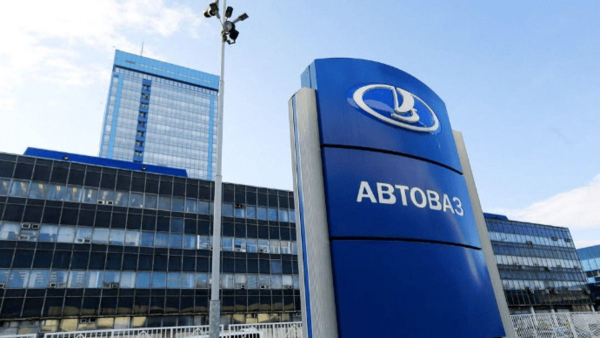
Russian AvtoVAZ hit by deep crisis / Russian media
The beginning of 2026 turned out to be a failure for the Russian car market – AvtoVAZ has not had such low sales for at least 20 years. The company resorted to radical measures, reducing car prices, but this did not help to withstand the crisis.
How and why did AvtoVAZ sales fall?
According to the Avtostat agency, in January, registrations of Lada cars dropped by almost 29% compared to last year – to 19.7 thousand cars, The Moscow Times writes.
February didn't bring any relief either. As a result, the company cut its monthly sales plan by 15% to just over 20,000 cars. The company still hopes that sales will start to recover in the second half of the year and at least match last year's figures.
To overcome the crisis, at the end of December, the manufacturer reduced prices for individual models: Lada Aura fell by 14% (to 2.25 million rubles), and Lada Largus by 3.8% (to 1.59 million rubles).
At the same time, the most popular cars, on the contrary, have increased in price:
- Lada Granta added 1.9% (850 thousand rubles);
- Lada Iskra added 1.8% (1.28 million rubles);
- Niva Legend added 1.8% (1.1 million rubles);
- Niva Travel added 1.9% (1.42 million rubles);
What other problems does the Russian AvtoVAZ have?
-
Last year, AvtoVAZ reduced its production plan for 2025 from 456,000 to 274,000 cars due to a 25% drop in Lada sales. The plant switched to a 4-day work week, reduced the number of shifts from three to one, and cut workers' salaries from 70,000 to 40,000 rubles.
-
Lada sales in the first eight months of 2025 decreased by 24.9%, which is due to the high key rate, car lending conditions and dumping of Chinese cars.
-
Russian PJSC KamAZ also suffered a net loss of over 37 billion rubles in 2025, which is 11 times more than the previous year. The crisis at KamAZ is deepening due to the high key rate, rising loan prices, and falling transportation tariffs.