
Main points
- India has temporarily suspended sugar exports until September 30, 2026, due to shortage fears and weather risks.
- This decision could significantly impact global sugar prices and trade flows amid reduced production and rising prices for fertilizers and biofuels.
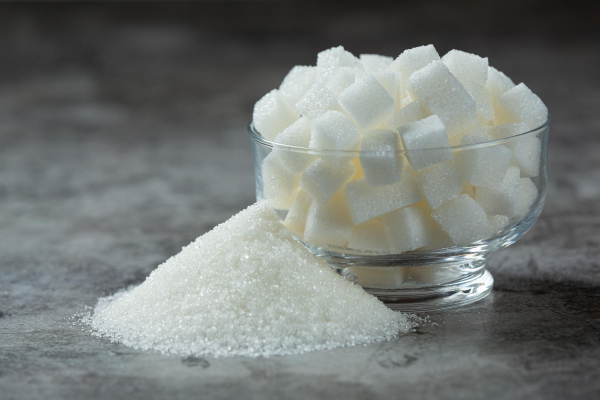
India has stopped sugar exports / Photo by Magnific
India has temporarily halted sugar exports to protect its domestic market amid falling production and risks from a weak monsoon, a move by one of the world's largest sugar producers that could have a significant impact on global prices and trade flows.
India restricts sugar exports over shortage fears
The Indian government has officially banned sugar exports for more than four months, Bloomberg reports. The restrictions will be in place until September 30, 2026, with the exception of certain batches that are already in the process of being shipped.
The authorities explain this decision by the need to maintain sufficient stocks in the domestic market. On the eve, the Indian Sugar and Bioenergy Producers Association lowered its production forecast for the 2025/26 season to 32 million tons, compared to the previously expected 32.4 million tons.
Weather risks are adding to the market pressure. The next harvest, which starts in the fall, could be affected by a weaker-than-normal monsoon season. Forecasters are also warning of the impact of the El Niño climate phenomenon.

The market is also affected by expensive fertilizers and biofuels
The situation is also complicated by rising global fertilizer prices. India remains one of the largest importers of these products, and the price increase is linked, in particular, to the war in the Middle East.
Although the government had not planned to restrict external sugar sales in April, the position has now been revised. Analysts say this could reduce Indian exports this season to about 700,000 tonnes instead of the expected 1.2 million tonnes.
In addition, the war in Iran has stimulated demand for biofuels, which are produced using sugar in a number of countries. This also supports global prices for the sweet product.
Analysts expect prices to increase on the global market
At the beginning of 2026, the global sugar market had significant reserves, and the New York stock exchange quotations even fell to a five-year low. However, since then prices have already recovered about 15%.
Raheel Shaikh, CEO of MEIR Commodities India Ltd, believes that India's new ban could significantly impact global trade.
This decision is likely to limit global sugar supplies and support prices amid forecasts of a global deficit in the 2026/27 season,
– he noted.
India has intervened in the sugar market several times in recent years due to poor harvests. After the unsuccessful 2022/23 season, the country introduced export quotas, and the current decision is another step to stabilize the domestic market.
The EU is against sugar from Ukraine: production and exports are sharply decreasing
At the same time, the situation in Ukraine is the opposite, as domestic producers do not have enough export volumes to sell all their products. In addition, the EU refuses sugar from Ukraine.
-
Ukraine is reducing sugar production due to trade restrictions and problems with export logistics, with production expected to decline by 26.3% in 2025–2026.
-
Sugar exports decreased by 14.2% in 2024–2025, the main sales markets are Africa and the Middle East, and a further decline to 505 thousand tons is expected.
Domestic consumption is also declining. While before the full-scale war, Ukrainians consumed about 1.1 million tons of sugar per year, in the 2025–2026 season this figure may decrease to 0.9 million tons. The main reason is the decrease in population and changes in the structure of demand.