
Main points
- The vast majority of winter peas in southern Ukraine died due to frosts without snow cover, and farmers are planning to reseed the fields.
- In the case of reseeding, spring barley, peas, flax, or sunflower are chosen, and for the remaining crops, weed, pest, and disease control is important.
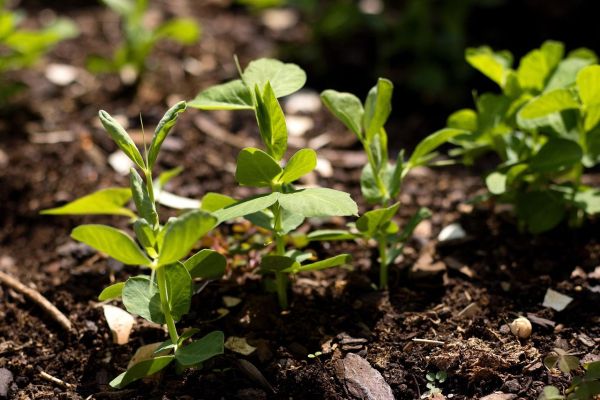
Winter peas have frozen over / Photo Pixabay
Most winter pea crops in southern Ukraine did not survive the winter due to severe frosts without snow cover. Farmers are already making decisions about reseeding and adjusting technologies for the new season.
Why didn't winter peas survive the winter?
Most of the winter pea areas in Mykolaiv region and Dnipropetrovsk region suffered significant losses this season, reports Kurkul.com. The reason was adverse weather conditions in winter, which destroyed part of the crops at the start of the growing season.
According to experts, the key factor was frosts down to minus 17 degrees Celsius in open ground without snow cover. In such conditions, plants that did not have time to harden off could not withstand the stress.
The situation was further complicated by the warm autumn: peas emerged in November and entered the winter in an active vegetative phase, instead of a dormant state. On the other hand, late crops, which sprouted already in winter, in many cases overwintered much better.
The further fate of crops depends on their density. If there are less than 300–400 thousand plants left per hectare, farmers are inclined to reseed. With a higher density, some farms decide to preserve the crops, taking into account the agronomic value of peas as a predecessor.
What will they sow and how will they save the crops?
In the case of reseeding, farmers choose spring barley, peas, flax, or sunflower. At the same time, the situation is partially alleviated by the better moisture reserve in the meter layer of soil compared to last year.
For preserved crops, the primary task is to control weeds, primarily dicotyledons. Attention is then paid to controlling cereal weeds, as well as pests, in particular pea weevils.
Experts emphasize that in the event of a wet spring, the spread of diseases is possible, so farmers are advised to be prepared for fungicide protection. A separate threat is posed by scoops during grain filling, which can significantly reduce the yield.
Important! Despite the difficult season, experts emphasize that peas remain a promising crop. Demand for them from exporters and processors is growing, and the costs of cultivation remain lower than for a number of alternative crops.
Breakthrough for farmers: China allows import of Ukrainian peas
-
China allowed the import of Ukrainian peas after an audit of Ukrainian enterprises, which opens up new export opportunities for Ukraine.
-
The State Service for Food and Consumer Protection reported that two Ukrainian enterprises have already been registered for export to China, and several more have been included in the lists of exporters and manufacturers.