
Main points
- The European fruit and vegetable market is facing pressure from rising costs for energy, fuel, transportation and packaging, which could lead to significant price increases for greenhouse vegetables and imported products.
- Greenhouse vegetables such as tomatoes and cucumbers, as well as berries and exotic fruits, are particularly vulnerable due to the increase in logistics and packaging costs, while local products with short logistics are less vulnerable.
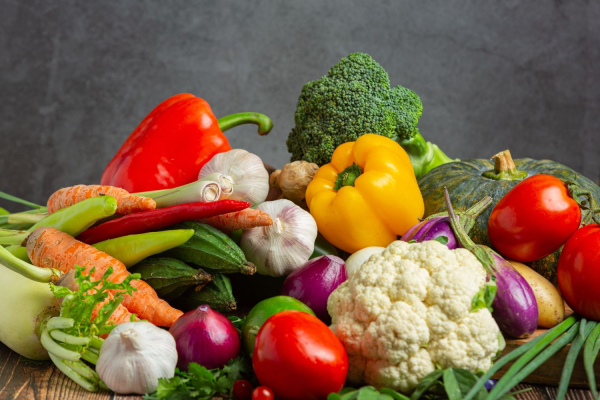
European vegetable market / Photo Freepik
The European fruit and vegetable market is once again under pressure due to rising costs. Greenhouse vegetables and imported products are most at risk of rising prices.
Costs are rising throughout the chain
Costs were once again a key issue for Europe's fruit and vegetable sector in early April 2026, Reuters reports. The simultaneous rise in energy, fuel, transportation and packaging costs is putting serious pressure on the fresh produce market.
According to industry organizations, food inflation could rise significantly by the end of the year, to almost 10%. The main reasons are disruptions in the supply of oil, gas, and fertilizers, as well as a sharp increase in transportation costs.
Producers are already recording the fastest growth in costs in recent years and are forced to partially pass them on to final prices. This is especially noticeable in the fresh vegetable segment, where even a slight increase in logistics costs immediately affects profitability.
The greatest risk is for greenhouse vegetables and imports
Experts warn that the first to come under pressure will be greenhouse vegetables, in particular tomatoes and cucumbers, as well as products with a high dependence on logistics – berries, exotic fruits, and perishable goods.
International logistics has also become a significant factor: the cost of air transportation on certain routes has almost doubled, and sea and road transportation are also becoming more expensive due to the linking of tariffs to diesel fuel prices.
Additional pressure is being created by the rising cost of packaging – plastic prices have reached their highest levels in recent years. This is especially important for segments with a high proportion of packaging, such as berries and salads.
Please note! At the same time, the market will react unevenly: local products with short logistics remain less vulnerable. However, the general trend is obvious – prices increasingly depend not only on the harvest, but also on the cost of energy, transport and infrastructure.
Onions are falling, tomatoes are growing again: how has the vegetable market changed in a week?
-
Prices for onions, beets, and potatoes are decreasing, while carrots, tomatoes, and bell peppers are increasing.
-
Cauliflower and some types of cabbage continue to rise in price, while the cost of cucumbers is decreasing due to increased supply.