
Main points
- Ukraine forecasts the export of 65 thousand tons of wheat flour in the 2025/26 season, which is 2.6% less than in the previous season.
- The main sales markets remain Moldova, Palestine, and the Czech Republic, but export volumes to these countries have decreased, while Israel and Spain have increased purchases.
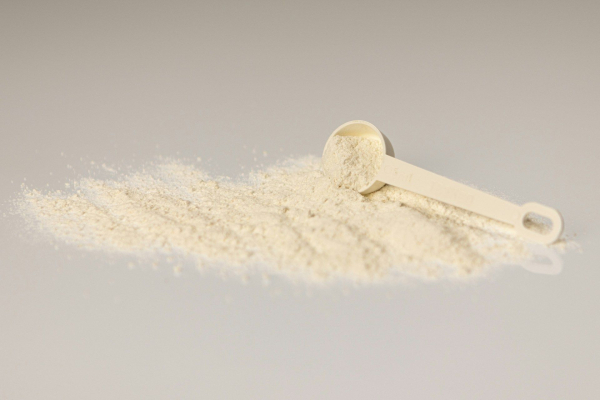
Flour Export / Photo Unsplash
In the 2025/26 marketing year, Ukraine may export about 65,000 tons of wheat flour. This is 2.6% less than in the previous season.
How will Ukrainian flour exports change in 2026?
According to APK-Inform, Ukrainian wheat flour exports in the 2025/26 marketing year will amount to about 65,000 tons. A year earlier, flour exports amounted to 67,000 tons.
In July-January 2025/26 marketing year, 37.5 thousand tons of flour were shipped to foreign markets, which is 7% less than in the same period last season. In January alone, exports decreased by 23% – to 4.3 thousand tons.
Please note! The main sales markets remain Moldova (30%), Palestine (20%) and the Czech Republic (16%), however, supplies to these countries have decreased. In particular, Moldova reduced imports to 11.4 thousand tons (–8%), Palestine – to 7.3 thousand tons (–10%), and the Czech Republic – to 5.9 thousand tons (–32%).
At the same time, Israel and Spain increased purchases of Ukrainian flour, importing 3 thousand tons and 2.7 thousand tons, respectively.
Important! Analysts link the decline in the export forecast to the expected decline in production. Over the seven months of the season, Ukraine produced 510.5 thousand tons of flour, which is 10% less than the same period of the last marketing year.
What are the main problems holding back Ukrainian agricultural exports in 2026?
-
The main problems for Ukrainian agricultural exports in 2026 are the delay in the harvest due to adverse weather conditions and limitations in logistics capacity.
-
Despite the difficulties, significant revenue in 2025 was provided by exports of value-added products, which reduces dependence on raw material exports.