
Main points
- Ukraine in 2026 is lagging behind in the pace of sowing due to a long and cold spring and excessive soil moisture.
- As of early May, only 30% of the area under corn and sunflower has been sown, which may negatively affect yields.
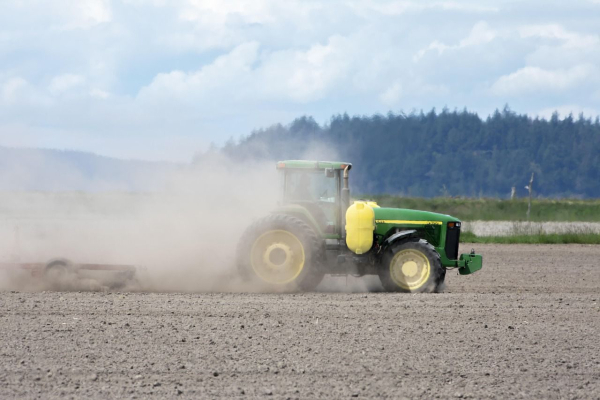
Sowing is delayed / Photo Pixabay
Ukrainian farmers faced a serious delay in the sowing campaign in 2026. Due to adverse weather, the sowing rate of key crops is significantly lower than in previous years.
Weather conditions slowed down the sowing campaign
A long and cold spring, along with excessive soil moisture after winter, significantly complicated the start of field work, reports UCAB. As a result, the sowing campaign of spring crops, especially late ones, was delayed this year.
Despite the fact that farmers have almost completed sowing spring wheat and barley, the situation with other crops remains difficult. First of all, we are talking about corn, sunflower and soybeans, where the pace of work is significantly lagging behind the indicators of previous seasons.
As of early May 2026, only about 30% of the area under corn and sunflower had been sown and about 18% under soybeans. For comparison, during the same period in 2024 and 2025, the level of work completion was many times higher.
Harvest at risk due to delays
Experts warn that such a lag could negatively impact future yields. The greatest risks are associated with corn, as this crop requires a long period to mature.
In case of further delays, farmers will have to either switch to early-maturing hybrids or work under increased risks. Additional problems may arise due to the active development of weeds and diseases.
Another challenge was the abrupt change in weather conditions: after a cold period, warming quickly set in, which can lead to loss of soil moisture. In such conditions, farmers will have to speed up work as much as possible to minimize potential crop losses.
Frosts hit the harvest: how did the cold April affect the agricultural sector?
-
April in Ukraine was cold, which led to a delay in the development of agricultural crops for one and a half to two weeks.
-
Frosts hit fruit trees particularly hard, and the lack of rainfall made it difficult to plant late crops.
Winter crops were in relatively favorable conditions for rooting and spring vegetation. Sowings of early spring crops in most regions reached the mass germination phase, indicating a generally stable situation in this segment.