
Main points
- In the soybean market in Ukraine, demand is shifting from exports to domestic processing, which affects price dynamics.
- Exports remain stable, but are concentrated mainly on Turkey and EU countries, making the market dependent on these destinations.
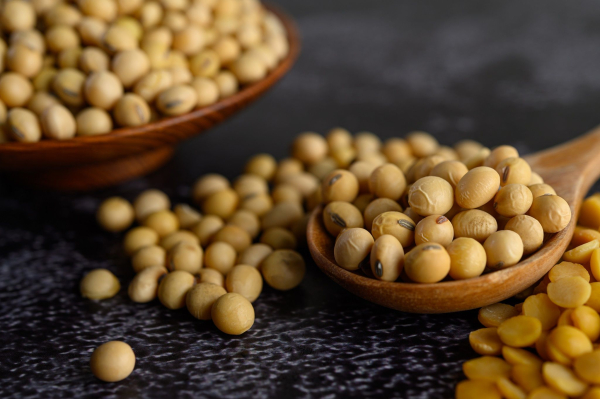
More soy is being processed / Photo Freepik
In Ukraine, a change in trend is being recorded in the soybean market – demand is shifting towards domestic processing. Against this background, export prices are decreasing, and the processing segment, on the contrary, is strengthening its position.
Prices signal a trend change
The Ukrainian soybean market is showing a clear shift in demand from exports to domestic processing, according to analysts at Spike Brokers. This is confirmed by price dynamics: on a CPT Odesa basis, they fell to $436 per ton, losing $4 per ton over the week.
At the same time, domestic processing parity increased to $492 per ton, adding $4 per ton. This difference indicates increased competition from processors who are willing to pay more for raw materials.
Price dynamics are actually forming a new balance in the market, where domestic demand is gradually displacing the export sector.
Exports are stable but concentrated
Despite changing domestic trends, soybean exports remain stable. In March, Ukraine shipped 197,000 tons, and since the beginning of the season (since September 2025) – about 1.6 million tons.
At the same time, the geography of supply remains quite narrow. The main volumes of Ukrainian soybeans are sent to Turkey and the European Union countries, in particular Germany.
Please note! Such concentration creates stable demand, but at the same time makes the market more dependent on individual areas, which may affect further price dynamics.
Processing outpaces exports: new records for rapeseed and soybean oil
-
We previously reported that rapeseed oil exports increased 2.2 times, and foreign exchange earnings increased 2.7 times compared to the same period last year.
-
Exports of soybean oil increased by 19.3% and soybean meal by 21% in September–February of the 2025–2026 marketing year.