
Main points
- The European cabbage market is suffering from oversupply, which is reducing prices and farmers' profitability.
- The problems are exacerbated by changes in tax legislation and an uneven playing field in the use of plant protection products in the EU.
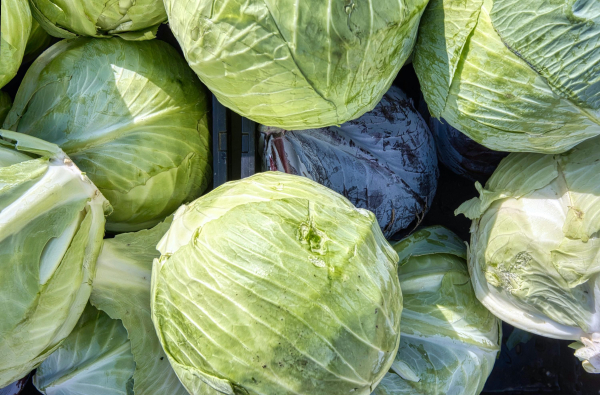
Cabbage prices in Europe / Photo Unsplash
The European cabbage market has entered a phase of oversupply, which is already putting pressure on prices and farmers' profitability. The industry is predicting a difficult season and warning of risks for some producers.
Cabbage producers in Europe are finding it increasingly difficult
The situation on the cabbage market in Europe has changed significantly compared to previous years — now the market is mainly shaped by supply, not demand, according to EastFruit analysts.
According to Martin Bolhuis, co-owner of the Dutch company Tuindersbelang, cabbage acreage in the Netherlands and other European countries has been growing without proper regulation, leading to overproduction. Despite stable sales, the increase in production has caused prices to fall.
Experts note that in the fall, surplus produce is often sold even below cost. When warehouses and refrigerators are filled, large volumes of vegetables enter the market at the same time, which puts additional pressure on prices. After the harvest is complete, the supply gradually decreases, which temporarily stabilizes the situation.
Despite a relatively successful 2025, supported by stable prices in the first half of the season, 2026 could be much more difficult. According to Bolheis, farmers can survive one bad year, but two in a row can create serious financial difficulties.
An additional risk factor has been changes in tax legislation that have limited the ability to offset losses with profits from previous years. This makes farms more vulnerable, especially after significant investments in production.
What is the situation on the European market?
Another challenge for the industry, Fresh Plaza reports, remains the different rules for the use of plant protection products in EU countries. According to the expert, in some countries large companies have more opportunities to obtain exemptions, which creates an uneven playing field.
Tuindersbelang operates almost entirely in a free trade format, minimizing contract sales. This approach allows for faster response to market conditions, while contracts, according to market participants, do not always guarantee stability during periods of low prices.
Producers see the current situation as a natural correction after several years of high prices, which stimulated the expansion of crops and the arrival of new players. It is expected that over about 18 months the market will gradually balance out, and some producers will leave the industry.
Ukraine is losing ground on the Polish market: who moved Ukrainian blueberries?
-
Ukraine lost part of the Polish market for frozen blueberries due to stable supplies from Canada and spring frosts.
-
Canadian blueberries have become a more reliable source for the Polish market, providing almost half of imports.