
Main points
- Drone attacks and sanctions are reducing fertilizer production in Russia, which is already affecting the global market.
- The tense situation in the Middle East is also threatening the supply of raw materials for fertilizers, causing prices to rise.
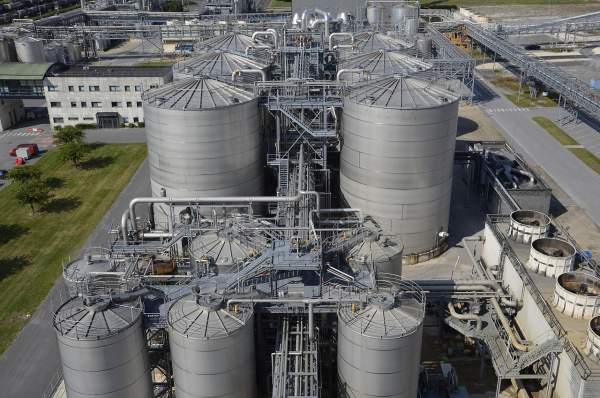
Fertilizer production / Photo by Pixabay
A series of drone attacks has dealt a significant blow to the Russian fertilizer industry, with damage to plants and logistical problems already affecting the global market.
Strikes on factories reduce production
Drone attacks in recent months have significantly affected the work of fertilizer companies in Russia, Reuters reports. This was stated by Andriy Melnichenko, founder of EuroChem.
Russia is a key player in the global market, accounting for about one-fifth of global fertilizer trade. However, damaged infrastructure, internal restrictions and sanctions pressure have made it difficult for the country to scale up production.
One of the most telling cases was the attack on the Acron Dorogobuzh plant, which temporarily lost about five percent of its production capacity. This enterprise plays an important role in the production of ammonium nitrate and complex fertilizers.
Despite this, companies continue to invest in new projects. In particular, EuroChem is building a new complex in the Leningrad Region, which should significantly expand ammonia and urea production.
Global risks for the fertilizer market
The problems are not limited to Russia. The tense situation in the Middle East and logistical risks, particularly in the Strait of Hormuz area, are affecting global supplies of raw materials for fertilizers.
Experts say prices for key fertilizers are already rising. Nitrogen fertilizer production, which relies on natural gas, is the hardest hit. Gas supply disruptions in the Gulf countries could also have long-term consequences.
An additional factor was the temporary halt to exports of ammonium nitrate from Russia, a decision that could further unbalance the market, given the country's significant share of global supplies.
Important! As a result, a combination of factors – from military attacks to logistical risks – is creating a new wave of instability in the global fertilizer market, which may also affect the agricultural sector of other countries.
The world is on the verge of a food crisis: the blockade of the Strait of Hormuz is raising food prices
-
The blockade of the Strait of Hormuz poses risks to the global agricultural market due to disruptions in the supply of fertilizers, which could lead to reduced yields and increased food prices.
-
The logistical collapse has caused congestion on transport routes, which has increased transportation costs, and Asian importers are looking for alternative sources of energy.