
Main points
- Coffee prices for consumers are rising due to supply disruptions and high costs, despite falling stock prices for the beans.
- The decline in coffee prices for consumers may not be felt until early 2027 due to supply chain delays and expensive inventories.
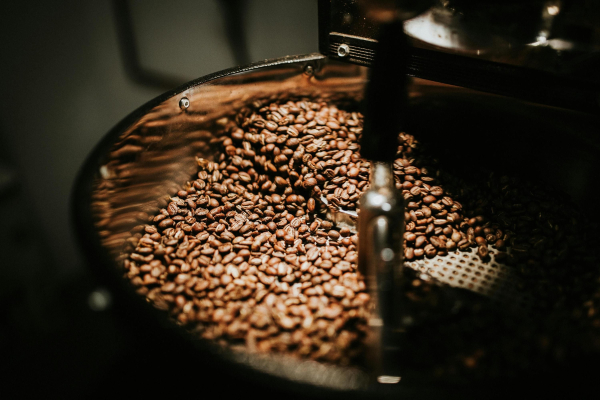
Coffee doesn't plan to get cheaper / Photo by Pexels
Despite falling global commodity prices, one of the world's most popular beverages continues to rise in price for consumers due to supply disruptions, expensive inventories, and a lag between changes on the stock exchange and actual prices on shelves.
Coffee is not getting cheaper despite the drop in grain prices
Despite a significant drop in coffee bean prices, consumers have yet to feel the popular beverage's price drop, Bloomberg reports. On the contrary, retail prices continue to rise due to supply chain delays and high producer costs.
According to the U.S. Bureau of Labor Statistics, the average consumer price for coffee in the country reached a record high of $9.459 per pound in February. That’s up 31 percent from a year ago and one of the biggest drivers of food inflation. The price hike began in 2024, when adverse weather conditions reduced harvests in the largest producing countries, Brazil and Vietnam. The situation was later complicated by trade tariffs imposed by the Trump administration.
Although coffee futures have already fallen by about 17 percent since the beginning of 2026 due to improved supply and the partial elimination of tariffs, the effect of this has not yet been felt by consumers.
Why isn't coffee falling in price?
The reason is the long supply chain. Coffee roasters bought beans a few months ago at much higher prices, so they are now forced to work with expensive inventories.
For example, Counter Culture Coffee says it is paying about 20 percent more for green, unroasted beans this year. Tariffs are also adding to the financial pressure, with tariffs likely to cost the company about $200,000 this year alone.
Despite the general slowdown in inflation in the US, coffee, along with beef, remains among the products whose prices are growing the most steadily. At the same time, consumers do not give up the drink, but are looking for ways to save money – they prepare it at home more often, and visit coffee shops are perceived as a small pleasure.
The price of a cup of drink should not be expected until next year.
According to payment service Toast, in February the average price of a cup of filter coffee was $3.65 and an iced coffee was $5.58, up about 4 percent from a year ago.
Experts explain that changes on the stock exchange are reflected in retail prices with a significant delay. It takes 4–6 months from the moment the grains are purchased until they reach warehouses in the US, and then these stocks are used for about half a year.
Please note! Therefore, the decrease in prices on the raw material market may be felt by consumers only at the beginning of 2027. Even then, the savings may be limited, as coffee producers now have more opportunities to hold products in anticipation of more favorable prices.
In particular, Brazil exported 27 percent less green coffee in February than a year ago, as farmers reduced sales due to falling prices and a weaker national currency.
Importantly, despite all these factors, the industry continues to grow. According to industry representatives, even record prices have not reduced the overall demand for coffee.
Will eggs become cheaper after Easter? Expert names main obstacle
-
Egg prices in Ukraine may remain high after Easter due to higher fuel prices and increased logistics costs.
-
As of March 11, 2026, prices for a dozen eggs in large retail chains in Ukraine range from 82.90 to 87.14 hryvnias.