
Main points
- Norway has officially confirmed that it will completely abandon the breeding of fast-growing chicken breeds by 2027, which is a historic step towards humane poultry farming standards.
- These “turbo chickens” have critical health problems due to their rapid growth, and currently about 60% of chickens on Norwegian farms belong to these breeds.
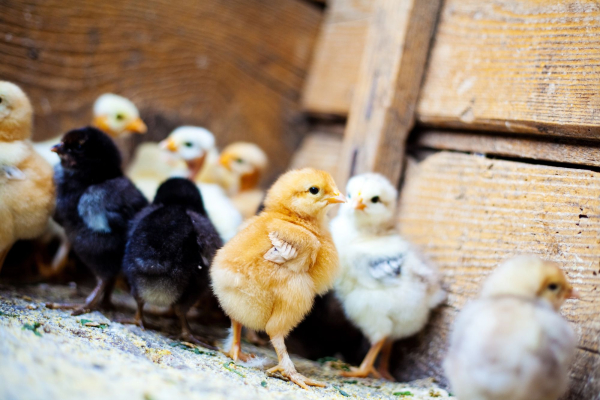
Norway will be the first to abandon “turbo chickens” / Depositphotos
Norway has officially confirmed that it will completely abandon the breeding of fast-growing chicken breeds by 2027. This is despite the fact that the country raises about 70 million birds every year.
Why is this Norwegian ban important?
With this decision, Norway will switch to 100% humane poultry farming standards, writes Plant Based News.
The International Animal Rights Coalition Anima International has already called this decision historic.
What is happening in Norway right now is a historic moment. It is one of the biggest improvements in animal welfare in history and proof that moving away from fast-growing breeds is possible.
– said Connor Jackson, CEO of the British division.
This organization has been pushing for Norway to finally abandon fast-growing chicken breeds for five years.
The thing is, these chicken breeds were bred to gain maximum weight in a record short time. In Norway, they were even nicknamed “turbo chickens.”
However, such speed comes at a terrible price:
-
Critical loads. Birds reach slaughter weight as early as 6 weeks, but in the process their bones, muscles and ligaments are destroyed.
-
Loss of ability to walk . Due to the abnormal size, the chicken's body literally breaks under its own weight.
-
Constant pain. Animal activists describe the lives of such animals as “extremely short and painful.”
Worth knowing! According to the animal welfare organization Open Cages, currently about 60% of chickens on Norwegian farms belong to breeds from the list of “turbo chickens”.
How do they take care of chickens in Ukraine?
In Ukraine, starting from January 1, 2026, requirements for keeping laying hens have been tightened, the State Service of Ukraine for Food Safety and Consumer Protection reported.
They establish clear conditions for raising poultry :
-
The poultry owner should inspect the chickens daily to detect diseases, injuries or signs of stress in a timely manner and maintain stable productivity;
-
conditions must be created to allow for natural bird behavior;
-
lighting, ventilation and temperature should promote activity during the day and full rest of the chickens at night;
-
Poultry houses must be constantly cleaned and disinfected, droppings must be removed in a timely manner, etc.
Important! Poultry owners are required by law to record the treatment of chickens, record the veterinary drugs used, and account for dead chickens. This information can be checked by the State Food and Consumer Protection Service, so it must be kept for at least 3 years.
Interesting facts about chickens: what is known
-
Scientists estimate that there are over 34 billion chickens in the world today, making them one of the most numerous domesticated birds on the planet, raised by humans in virtually every corner of the globe.
-
At the same time, chickens hide many unexpected features. In particular, they are direct living descendants of dinosaurs. Research confirms that chickens share evolutionary roots with tyrannosaurs.
-
In addition, these birds are distinguished by their developed mental abilities. Chickens are able to remember and recognize over a hundred different faces – not only their relatives, but also people, even after a long break in contact. This indicates a well-developed long-term memory.
-
Another little-known fact is that chickens are capable of showing emotions and empathy. They react to the state of their chicks and may become anxious when they see or hear that they are stressed.