
Main points
- UK food and drink exports to the US fell by 8.6% in the second half of 2025 due to trade tariffs.
- Among the most affected products are baby formula and whisky, but overall exports of products from the UK have increased thanks to other markets.
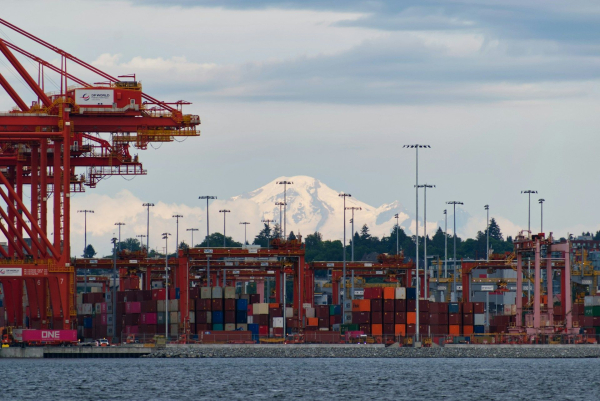
UK-US trade / Photo Unsplash
UK food and drink exports to the US fell by 8.6% year-on-year in the second half of 2025, as trade tariffs increased the price of British products for American consumers.
Customs duties and inflation hit exports
UK food and drink exports to the US fell 8.6% year-on-year in the second half of 2025, Bloomberg reported, as trade tariffs pushed up prices for British products for American consumers.
The situation was the opposite in the first half of the year, when supplies increased by almost 19%. However, increased trade restrictions, as well as overall rising costs and inflationary pressures, have reduced demand for imported products.
An additional factor was economic uncertainty: consumers in the US and Europe began to cut spending. At the same time, conflicts in the Middle East further increased energy and logistics costs.
Which goods have been affected and what will happen to trade next?
Among the most affected categories are infant formulas, which have been subject to so-called “imposed” duties, making them less competitive compared to products from the European Union.
Whiskey exports, a key item in the British agricultural sector, also fell: by 0.8% in monetary terms and by 4.3% in volume.
Interestingly, overall UK food and drink exports are still expected to grow in 2025, driven in particular by dairy products – milk and cheese. Some markets are showing positive momentum: for example, shipments to India increased by 12%, and a new free trade agreement is expected to drive further growth.
Ukraine and Lithuania will restore ports damaged by the war: what will change for exports?
-
Ukraine and Lithuania have agreed to cooperate in the restoration of seaports, including infrastructure modernization and investment attraction.
-
The parties discussed priorities such as demining water areas, updating the dredging fleet, and purchasing specialized vessels for various operations.