
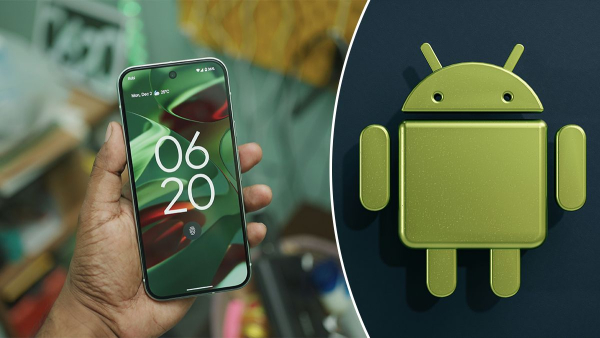
Desktop revolution: how Google will change widgets on Android / Collage 24 Channel/Unsplash
Google is rethinking its widget system. The upcoming update will affect smartphones, watches, and even cars. The new software core promises to radically change the appearance and functionality of the desktop, providing a previously unseen smooth interface.
Remote Compose technology will change the smartphone experience
Android developers have announced a fundamental update to the way widgets work for phones, smartwatches, and car dashboards. The main driver of these changes is the emergence of a new visualization mechanism called Remote Compose. This technology is integrated into the Jetpack Glance framework and is designed to make mini-programs on the desktop more interactive, visually appealing, and, most importantly, energy-efficient, writes AndroidAuthority.
Until now, widget development has been fragmented, with RemoteViews and XML used for mobile devices and ProtoLayout for wearables. Remote Compose breaks this barrier by offering a single, responsive API.
The main feature of the new feature is that all logic and complex animation are now handled directly at the system level. This means that the system no longer needs to “wake up” the main application to update information in the widget, which saves battery power.
What specific changes and features will appear in Android
One of the most notable innovations will be the Snap Scroll feature. It allows you to add a snap effect when vertically scrolling through the widget's content. Now, information will not break in the middle of a line, but will smoothly snap to the next page or to an important block of data, which makes it much easier to view short content.
Snap Scroll feature / Google Images


In addition, developers have gained access to creating Expressive Components. This opens the way to using non-standard shapes and tactile interaction states. Widgets will be able to smoothly change their geometry, and buttons will dynamically respond to pressing, creating a “pop-up” effect without any loss of device performance.
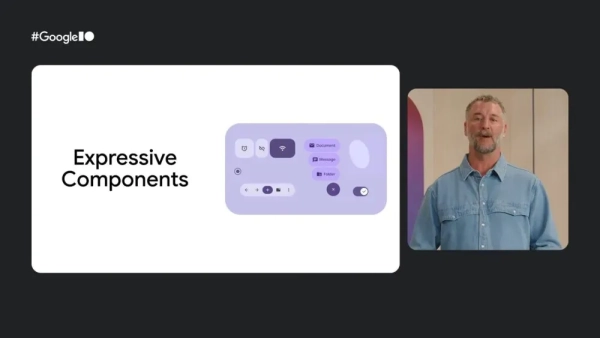
Expressive Components / Google Images
Google is also adding native “Particle Effects.” For example, after completing a meditation session or reaching 10,000 steps, the widget can celebrate that achievement with bright digital confetti right on your home screen.
The process of resizing widgets is also undergoing a transformation. With Remote Compose, the transition between different scales occurs through smooth fading and morphing. This eliminates the abrupt interface jumps and text clipping that were often encountered before.
An important part of the update is dynamic design. Since the system now interacts more deeply with widgets, they can automatically adjust their color scheme not only to the phone wallpaper, but also to the interface of the car's Android Auto system when connected.
For app developers focused on fitness or productivity, Google is introducing a new default layout called Streak. It’s specifically designed to visualize streaks of achievements, allowing users to easily track the number of days they’ve consistently completed a healthy habit.
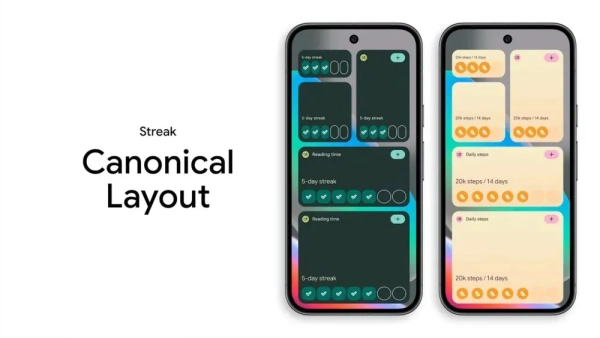
A new type of widget with multiple tick marks to track progress / Google Images
Where will this work?
It should be noted that all these benefits will become fully available only on the current Android 16 and the upcoming Android 17. It is these versions of the operating system that will have native support for Remote Compose.
Users of older devices running Android 15 or earlier will not be left without widgets, but the system will use simplified static display options for them. The full transition to a new era of visual experience will begin when developers update their products to support the new engine.