
Otto Stoika, a medical science expert, discussed the perfect temperature and moisture content for residences, highlighting their impact on health and the immune system. The best temperature range is +18 to 24 degrees Celsius, and the ideal humidity is between 40 and 60%.
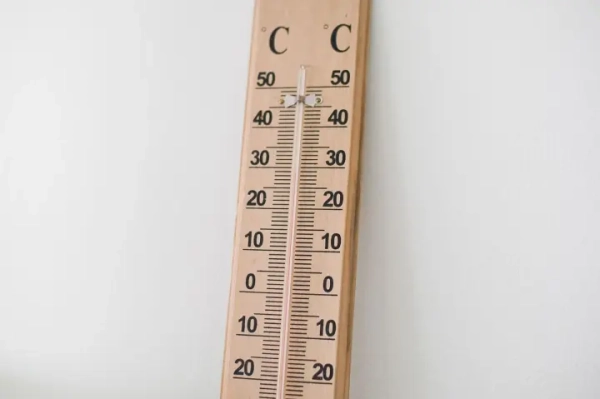
A suitable indoor setting directly influences health, immunity, and disease progression. Regrettably, due to enemy strikes, numerous Ukrainians are finding that warmth within their homes has become an impossible luxury. Otto Stoyka, a candidate in medical sciences, a physician from the Kyiv City Center for Disease Control and Prevention under the Ministry of Health of Ukraine, and an expert in public health, shared with UNN the specifics of what temperature and humidity ranges are deemed optimal for homes.
Details
Key factors for a wholesome indoor climate include air temperature and moisture content. These elements dictate the body’s comfort in terms of breathing and fighting off viruses.
The most suitable temperature for a living area ranges from +18 to 24 degrees Celsius, combined with 40 to 60% humidity. Under these circumstances, people generally feel quite comfortable. This can ease the symptoms for both healthy and unwell individuals.
– the doctor points out.
It’s especially challenging to uphold these levels during the heating period, as heaters and central heating often dehydrate the air in apartments and houses. This can unfavorably impact the mucous membranes and immune system’s defenses, according to Otto Stoika.
When we activate heating or heaters, especially those with fans, humidity frequently dips below 40%, sometimes reaching as low as 10-20%. Such air dries out the membranes in the nose and throat, making a person more prone to viral infections. This is particularly relevant for kids in kindergartens and schools, explains the public health specialist.
The doctor advises frequent ventilation of the room and, if feasible, adding moisture to the air. Both specialized humidifiers and easy home solutions are effective for this purpose. It’s also important to monitor the levels with devices rather than relying on guesswork.
It’s recommended to own not only a thermometer but also a hygrometer – an instrument that indicates humidity. These are available in supermarkets, often together with thermometers, and are generally inexpensive. Even simple humidifiers or a damp cloth on a radiator can aid in maintaining the preferred moisture level.
– says Otto Stoyka.
Excessive moisture can also be detrimental. It complicates breathing and encourages mold growth inside, posing a risk to the respiratory system, as mentioned by the public health expert. This is especially significant for people suffering from chronic conditions.
Air that’s too humid is more difficult to tolerate, particularly for those with cardiovascular and lung conditions. If elevated humidity is persistent, mold and fungi can emerge, entering the air and triggering allergic reactions or other concerns.
– the doctor cautions.
The recommendations for individuals with asthma, allergies, or other long-term conditions remain broad. It’s crucial to uphold ideal levels and routinely observe your health.
The ideal setting remains consistent for both children and adults, even with ongoing illnesses. Specific temperatures are not necessary, but the primary thing is to pay attention to how you feel, monitor your levels, and promptly seek medical advice.
– concludes Otto Stoika.
Tips for keeping warm
Dress in layers. Clothing should be made up of multiple layers and not be restrictive, so as not to hamper blood flow. The innermost layer, close to the skin, should be of natural fabric, or you could opt for thermal underwear. If clothes become damp, make sure to remove them, as they are less effective at retaining heat.
Increase your activity. Remember to keep moving; incorporate light but consistent physical activity into your daily routine.
– added Otto Stoika.