
Main points
- A war in Iran could cause fertilizer shortages and higher energy prices, which would raise food prices, especially in developing countries.
- The Strait of Hormuz handles 30% of the world's fertilizer trade, and the conflict could threaten up to 70% of global urea supplies, affecting the planting season and grain supply.
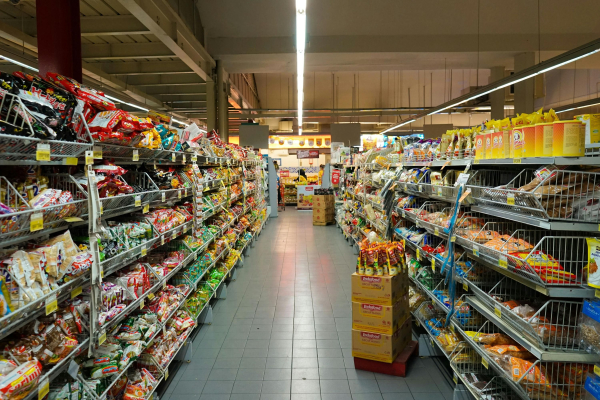
Food prices will rise / Photo Unsplash
The war in Iran threatens to cause a new surge in food prices, especially in developing countries. The main risks are related to disruptions in fertilizer supplies and a sharp increase in energy prices.
Fertilizer shortages will raise prices in many countries
A war in Iran could cause food prices to soar in developing countries, Reuters reports. Key risk factors include disruptions to fertilizer supplies and a sharp rise in energy prices.
This comes as many economies are just beginning to recover from the pandemic and the aftermath of the war in Ukraine. In developing countries, food and fuel account for a much larger share of consumer spending – between 30% and 50%, while in developed economies this figure is less than a quarter.
The situation with fertilizers is particularly threatening. The Strait of Hormuz, which is controlled by Iran, provides about 30% of the world's fertilizer trade. The Persian Gulf countries are key suppliers of ammonia and urea. Bank of America warns that the conflict could threaten up to 65-70% of the world's urea supplies.
As noted by Máximo Torero, economist at the Food and Agriculture Organization of the United Nations, the fertilizer shortage will affect the sowing campaign and lead to a decrease in the supply of grains, feed, as well as meat and dairy products.
Important! Unlike oil or gas, global reserves of fertilizers are practically non-existent. At the same time, countries dependent on imports from the Persian Gulf region remain the most vulnerable. In particular, in Kenya, fertilizer prices have already increased by about 40%. Countries such as Somalia, Bangladesh and Pakistan have limited reserves and may be the first to experience shortages.
Rising energy prices are also pushing up food prices.
Adding to the pressure is rising energy prices: global oil and gas prices have risen by more than 50% since the conflict began, pushing up production and logistics costs. According to Schroders economist David Rees, energy costs rise first, and then the cost of products increases.
The fertilizer shortage will most affect crops with high nitrogen consumption, including corn and wheat. The increase in feed prices will ultimately affect the prices of a wide range of products, from bread to eggs.
Although global food inflation was declining and had reached its lowest level in several years before the conflict, the new crisis could change this trend.
Experts also warn of social risks: previous waves of food price hikes have already caused unrest in some countries. Governments are being forced to respond, including through subsidies for basic products.
Pay attention! International financial institutions are already preparing for possible consequences. In particular, the European Bank for Reconstruction and Development is considering support programs, including assistance in the purchase of fertilizers. The Food and Agriculture Organization of the United Nations is calling on governments and development banks to be ready for urgent measures if the conflict drags on.
Sowing under threat: Ukraine lacks fertilizers, costs have increased by almost 30%
-
Ukrainian farmers are facing a shortage of fertilizers and rising costs due to geopolitical factors and rising fuel prices.
-
UCAB proposes to abolish the duty on fertilizer imports and reduce excise taxes on fuel to stabilize the situation and avoid a reduction in the harvest.