
Main points
- Japanese experts used microscopic drones to study the damaged reactor of the Fukushima-1 nuclear power plant, which yielded new data about the 2011 nuclear accident.
- Drones captured a large hole in the reactor and frozen fragments of molten nuclear fuel, and also collected data on radiation levels to create a three-dimensional map.
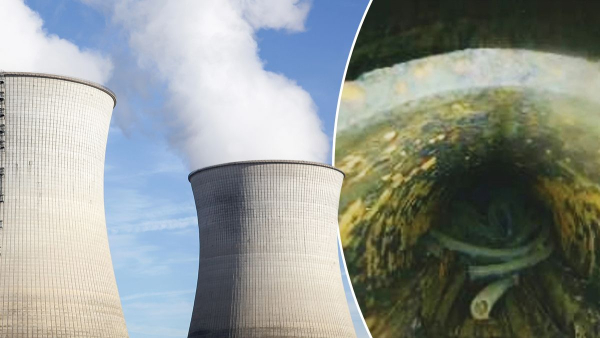
Fifteen years after the disaster: new footage reveals the extent of the destruction at Fukushima / Collage 24 Channel / Depositphotos / Electric Power Holdings Company / TEPCO / AP
Japanese experts have obtained the first clear images of the inside of the damaged reactor of the Fukushima-1 nuclear power plant. Microscopic drones penetrated the most dangerous areas of the third power unit, where no camera had previously reached. What they recorded at the bottom of the high-pressure steel vessel provides new insight into the processes that occurred during the 2011 nuclear accident
What was discovered in the very center of the nuclear ruin?
During the latest expedition, which began on March 5, 2026, operators used tiny microdrones to explore the primary containment of the third reactor. These devices are extremely small — about 12-13 centimeters wide and long, and their weight is only 95 grams. Thanks to such compactness, the drones were able to maneuver between debris, damaged equipment and other obstacles that fill the internal space after the disaster, writes Tech Xplore.
The footage, obtained during the two-week mission, shocked researchers. The video clearly shows a large hole in the bottom of the thick-walled steel container, where the reactor's active core used to be. Brown and gray objects hanging like giant icicles were recorded near this hole. Representatives of the Tokyo Electric Power Company Holdings (TEPCO), which operates the plant, confirmed that these growths and deposits are likely solidified fragments of molten nuclear fuel, the Associated Press notes.
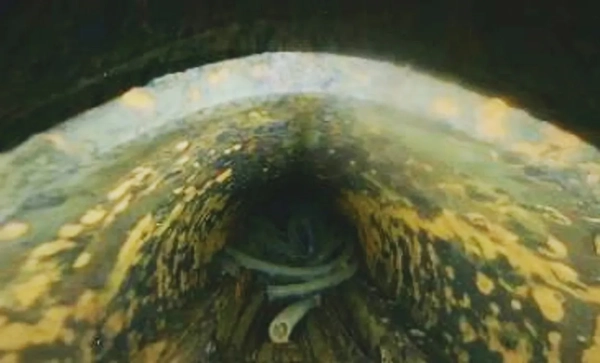
Inside the reactor / Photo Electric Power Holdings Company/TEPCO/AP
In addition to the visual inspection, the drones performed important scientific work, collecting data on radiation levels. The resulting figures and images allowed specialists to begin creating a detailed three-dimensional map of the interior of the third power unit, ABC News reported.
This is critical because details of the reactors' internal state remained largely unknown for 15 years after the tragedy. Although experts were able to take small samples of fuel from the second reactor last year, the full picture of the damage has only now been revealed.
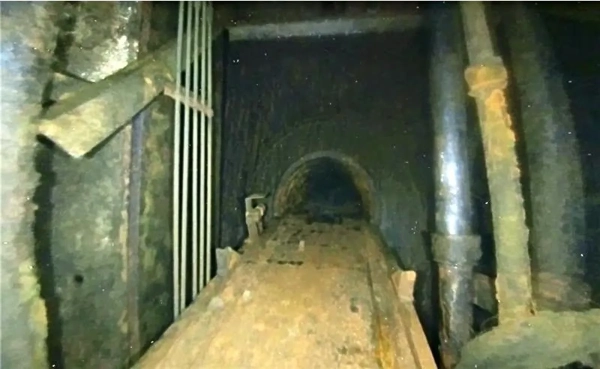
Inside the reactor / Photo Electric Power Holdings Company/TEPCO
What is the current condition of the station?
The situation at the plant remains complex: experts estimate that at least 880 tons of molten fuel are still in the three damaged reactors, and the radiation levels there are deadly to humans. That is why remotely controlled robots and drones are the only way to explore the accident zone.
TEPCO says the information gathered will form the basis for developing a strategy for the complete disposal of nuclear waste. However, experts warn that this process is extremely laborious and could take decades.
This mission was a significant step forward compared to previous attempts. Almost 10 years ago, an underwater robot was used to inspect the third power unit, but the picture back then was much less clear and informative. Modern technology has made it possible to see even ruptures in pipes and other deformations of structures that were previously hidden inside the sealed casing. Now engineers have much more data to plan further steps to eliminate the consequences of the accident, caused by a powerful earthquake and tsunami on March 11, 2011.