
Main points
- Rechargeable batteries are not suitable for low-power devices like wall clocks and remote controls due to faster self-discharge and lower voltage.
- To safely use batteries, avoid damage, extreme temperatures, use recommended chargers, and properly dispose of used cells.
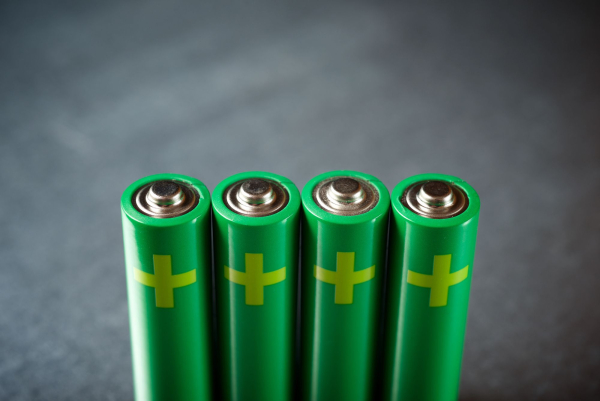
Where regular batteries work better than rechargeable batteries / Depositphotos
Rechargeable batteries seem like a universal solution: they are economical and environmentally friendly. However, there are household devices in which such batteries work worse than disposable ones. The reason is the difference in voltage, discharge rate, and the peculiarities of the operation of the gadgets themselves.
The popularity of rechargeable batteries is understandable: they are more durable, more profitable in the long term, and less harmful to the environment. At the same time, their technical features make them not universal, warns 24 Kanal .
The main limitations are a higher self-discharge rate and a lower nominal voltage (around 1.2V versus 1.5V for alkaline disposable batteries), explains SlashGear. This can lead to failures or reduced runtime for individual devices.
Fire and security alarm systems
Such devices can operate for months without active use, but at a critical moment they must respond instantly . Due to faster self-discharge, batteries can lose their charge sooner than expected.
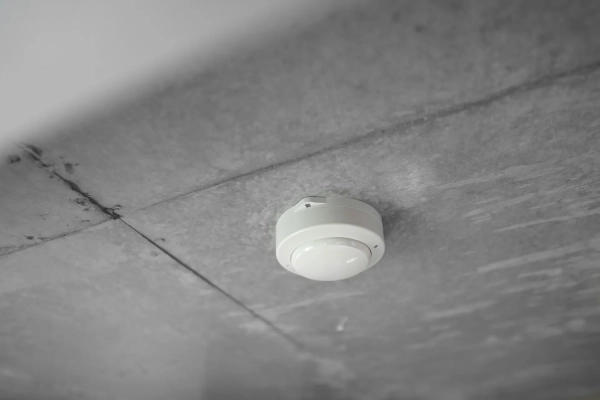
Fire alarms require separate, reliable power supplies / Photo Unsplash
In addition, alarms consume minimal energy, so standard alkaline batteries are usually better suited. Some models have built-in lithium batteries with a lifespan of up to ten years – in such cases, it is worth following the manufacturer's recommendations.
Wall clocks
Watches are very low-power devices. A single alkaline battery can last for years, while a rechargeable battery will need to be charged regularly .

It is better to power a wall clock with a regular battery / Photo Unsplash
This is not only inconvenient, especially if the watch is hanging high, but also economically questionable: the benefits of multiple uses only manifest themselves with frequent charging cycles.
Remote controls for TVs and air conditioners
Most of the time, remotes simply lie idle, consuming minimal energy. In this mode, the batteries gradually discharge even without use. Additionally, some remotes may incorrectly display the charge level due to a different voltage and discharge curve.
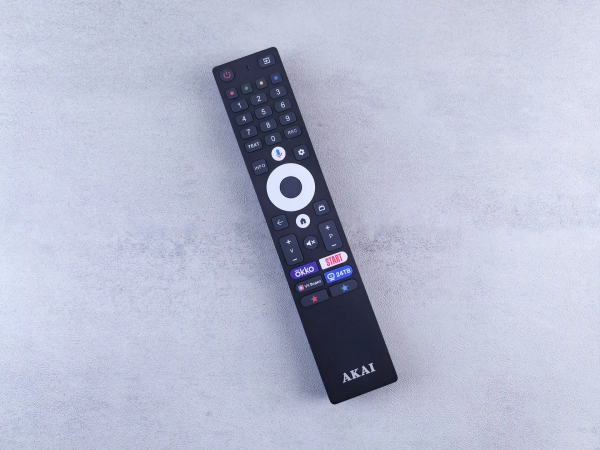
The remote control will work longer with classic batteries / Photo Unsplash
If the device runs on a single set of batteries for six months or a year, frequent charging of the batteries becomes an unnecessary hassle.
Backup lamps and flashlights for emergencies
Devices that are used several times a year need to be ready to go at any time. Alkaline batteries lose voltage gradually, so the light just dims.
However, batteries can suddenly “fail” and turn off without warning. If the manufacturer has provided a built-in battery, it is better to use it.
Old voltage-sensitive devices
Many older electronic toys, remote controls for radio-controlled models, or cameras are designed for 1.5 V from disposable batteries. Due to the lower battery voltage, such gadgets may operate unstable or not turn on at all.
The best strategy is to check the device's instructions and use the recommended power type.
How to use rechargeable batteries safely?
Rechargeable lithium-ion batteries require careful handling. Improper handling can lead to overheating, ignition or even explosion, warns cheshirefire.
Charge correctly and do not leave unattended.
For safe use, it is important to use only original or recommended chargers. After charging is complete, the battery should be disconnected from the mains and the process should not be left unattended, especially at night.
Avoid damage and extreme temperatures
The battery can become dangerous after being dropped, punctured, or severely compressed. Temperature extremes also have a negative effect: prolonged exposure to hot cars or freezing temperatures can damage the battery. Also, do not allow the battery to get wet or use incompatible chargers.
Watch for warning signs
Possible malfunctions are indicated by severe overheating, swelling of the case, strange hissing or cracking sounds, a pungent odor, or problems with charging. If smoke or other suspicious symptoms appear, the device should be immediately disconnected from the network and stopped using it. You cannot disassemble or repair the battery yourself – you should contact the manufacturer or a service center.
Dispose of used batteries properly.
Lithium-ion batteries should not be thrown away in the trash as they can cause fires or chemical burns. It is best to take them to designated collection points or use local recycling programs.
Important! In Ukraine, this is done by the public organization “Batteries, give it away!”. Batteries and power banks can be dropped off at Silpo, Epicenter, JYSK, Novus, Comfy, and WOG chains, as well as at other points indicated on the map on the organization's website.
Rechargeable batteries remain a great solution for power-hungry gadgets like game controllers or powerful flashlights. But where devices are used infrequently or require a stable voltage for long periods of time, classic alkaline batteries still win in terms of convenience and reliability.