
Main points
- The Samsung Galaxy S26 Ultra shows improvements in detail and noise reduction, but the iPhone 17 Pro maintains its lead in low-light conditions.
- Despite the technical advantages of the Samsung camera, the iPhone 17 Pro does a better job with autofocus accuracy and portrait segmentation.
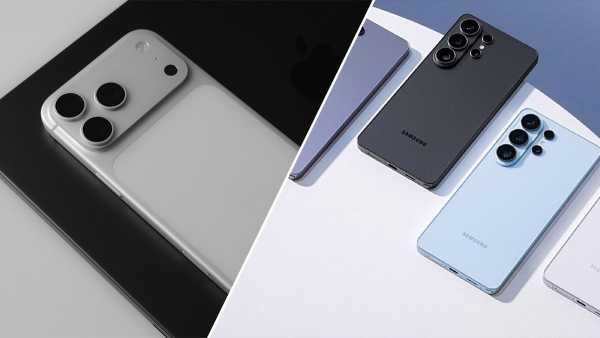
Battle of the titans of mobile photography: could the new Galaxy S26 Ultra beat the iPhone 17 Pro / Collage 24 Channel/Unsplash/Samsung
The smartphone market has once again been rocked by another showdown between two of the most powerful players in the tech world. New test results shed light on how the camera quality has changed in the latest flagship models from Samsung and Apple.
Which flagship takes better photos?
Initial benchmark results show that the Samsung Galaxy S26 Ultra shows significant progress over its predecessor in several important aspects. However, according to preliminary findings from DxOMark, this was not enough to completely surpass the iPhone 17 Pro in key usage scenarios, writes Gizmochina.
If we look at the dry technical specifications, the Galaxy S26 Ultra resembles the S25 Ultra in many ways when it comes to optics:
- The South Korean manufacturer decided to leave the 50-megapixel ultra-wide-angle camera with an f/1.9 aperture and a 1/2.52-inch sensor unchanged.
- The situation is similar with the telephoto lens, which provides three times optical zoom: a 10-megapixel module with an f/2.4 aperture and a 1/3.94-inch sensor is installed here.
- The main attention of the developers was focused on the main sensor and the camera for long-distance zoom.
The main technical breakthrough is the 200-megapixel main sensor, which now has a much brighter f/1.4 aperture, up from the previous f/1.7. At first glance, this change may seem insignificant, but in practice it allows the sensor to capture approximately 47 percent more light. This should theoretically significantly increase the level of detail and reduce digital noise when shooting in low light.
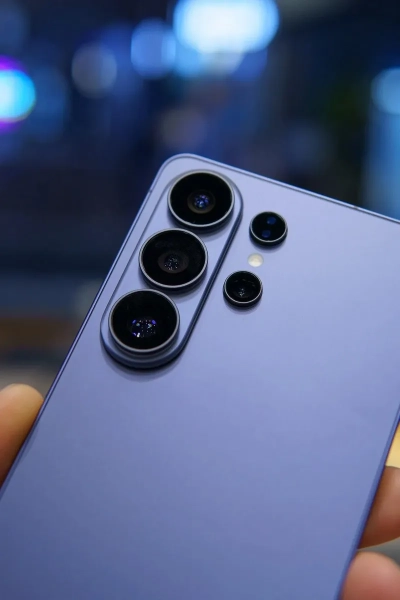
The Galaxy S26 Ultra's camera block has received a slight redesign and is now surrounded by an island / Photo PhoneArena
Samsung has also updated its 50-megapixel periscope telephoto lens with 5x zoom. It now uses f/2.9 optics and an innovative, compact ALoP (Adaptive Lens on Prism) design. One of the visual consequences of this decision is a change in the shape of the background blur: light reflections (bokeh) now look more rounded, unlike the square shapes of previous generations. However, this came at the cost of increasing the minimum focusing distance to 52 centimeters, which can make taking close-up shots a bit more difficult.
Early tests confirm that these adjustments have paid off. The Galaxy S26 Ultra does indeed capture more detail with less noise in low light, and skin tones look more natural. Portrait photos also benefit from improved image processing algorithms, especially in terms of noise control and overall frame balance.
But the iPhone is still ahead
Despite this, the iPhone 17 Pro, which appeared on the market back in September 2025, still holds the lead in certain indicators. DxOMark experts note that the Samsung smartphone sometimes has difficulties with autofocus accuracy during face recognition, and in portrait shots, noticeable artifacts may appear around the subject.
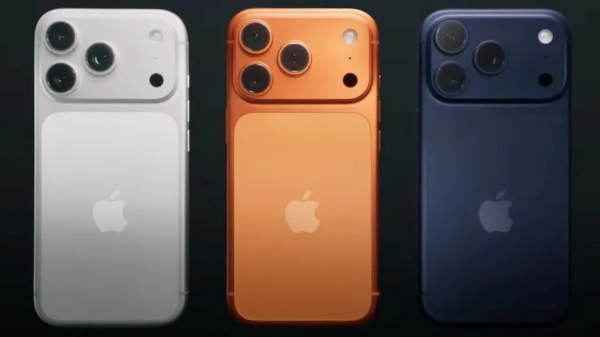
iPhone 17 Pro / Photo by Apple
More importantly, the iPhone 17 Pro continues to deliver cleaner images in extremely challenging low-light conditions. Apple's smartphone also shows better results in portrait segmentation, providing more accurate separation of the main subject from the background in complex scenes.
Thus, Apple retains a slight advantage due to the stability of results in the most difficult shooting conditions.