
On Wednesday, March 11, 32 member countries of the International Energy Agency (IEA) decided to release 400 million barrels of oil from their emergency reserves to the market to compensate for disruptions in oil markets due to the situation in the Middle East.
The corresponding statement was published on the IEA website.
“The oil market challenges we face are of unprecedented scale, so I am very pleased that IEA member countries have responded with urgent collective action… Oil markets are global, so the response to major disruptions must also be global. Energy security is a fundamental mandate of the IEA, and I am pleased that IEA members are showing strong solidarity by taking decisive action together,” said IEA Executive Director Fatih Birol.
According to him, these 400 million barrels of oil will be made available to the market over a period that corresponds to “the national circumstances of each member country, and will be complemented by additional emergency measures by some countries.”
It is noted that IEA member countries hold emergency oil reserves of more than 1.2 billion barrels, and another 600 million barrels of industrial reserves are under state obligations. For the agency, founded in 1974, this is the sixth coordinated release of raw materials in its history, the previous ones took place in 1991, 2005, 2011 and twice in 2022.
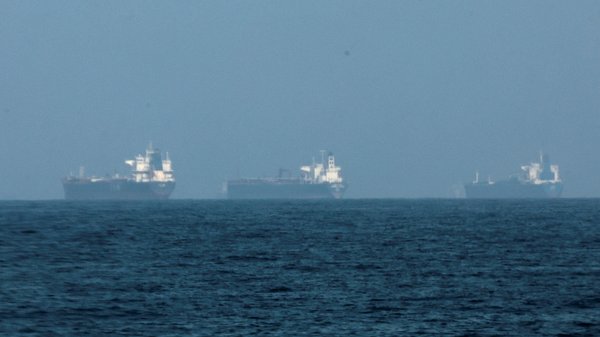
The statement noted that the worsening situation in the Middle East is disrupting oil supplies through the Strait of Hormuz, and exports of crude and petroleum products have now fallen to less than 10% of their pre-conflict levels, forcing operators across the region to halt or significantly reduce production, the IEA added.
Overall, the Strait of Hormuz accounted for about 25% of the world's maritime oil traffic in 2025, an average of 20 million barrels per day. Alternative routes for crude oil supplies bypassing the strait are currently limited.
“The IEA Secretariat will provide further information on how these collective actions will be implemented in due course. It will also continue to closely monitor global oil and gas markets and provide advice to member governments, as necessary,” the statement added.