
Research indicates that smoke from forest fires contributes to 24,100 untimely deaths each year in the U.S. Sustained breathing in of PM2.5 particles results in pulmonary, heart, and brain-related ailments.
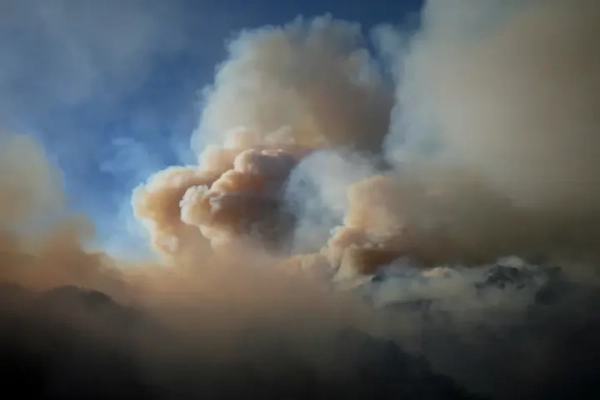
Prolonged exposure to minuscule particulate matter (PM2.5) originating from wildfire effluence has been associated with tens of thousands of early deaths across the United States. A comprehensive study, released on Wednesday, February 4, in Science Advances, reveals the average death toll from wildfire pollution is 24,100 annually. UNN clarifies.
Details
Researchers affiliated with the Icahn School of Medicine (Mount Sinai) scrutinized data spanning from 2006 to 2020 across 48 states. Their analysis indicated that prolonged contact with microscopic PM2.5 particles, capable of deeply infiltrating the lungs and bloodstream, triggers the advancement of not just respiratory, but additionally cardiovascular and neurological conditions. Notably, ailments affecting the nervous system exhibited the most escalated increase in mortality amidst persistent smoke exposure.
Vapors emanating from wildfires are profoundly hazardous and constitute a mounting health concern owing to shifts in the climate.
– emphasized the study’s lead author, Yaguang Wei.
While temporary inhalation of smoke may induce coughing and eye discomfort, the accumulative impact over years can precipitate irreversible damages to the body, notably in regions encountering amplified fire intensity each season.
Climatic factors and urbanization
The researchers underscore that the surge in mortality is attributable not solely to planetary warming but also to expanded development within fire-vulnerable territories. The amplification of the “urban-wildlife interface” denotes an increased number of individuals residing in proximity to sources of noxious smoke.
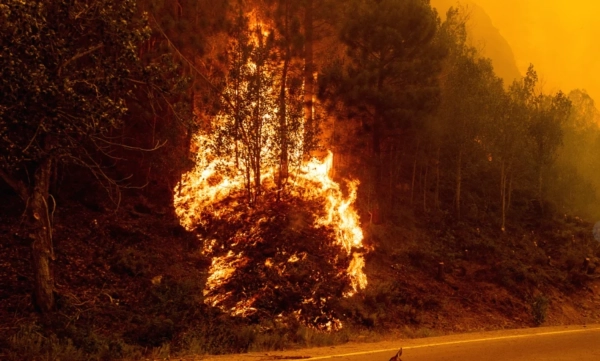
Reflecting on the discoveries, University of California professor Michael Jarrett remarked that these metrics encapsulate tangible human experiences, not merely theoretical statistical abstractions. He posits that the synthesis of decades characterized by ineffectual forestry oversight alongside deteriorating air quality mandates that the U.S. government promptly re-evaluate environmental protection protocols and bolster safeguards for at-risk demographic segments.