
Main points
- The $240 billion mega-merger between Glencore and Rio Tinto collapsed due to the unwillingness of Glencore and shareholder Ivan Glasenberg to make concessions.
- The merger was supposed to make Rio Tinto the largest mining company in the world and significantly increase its copper production.
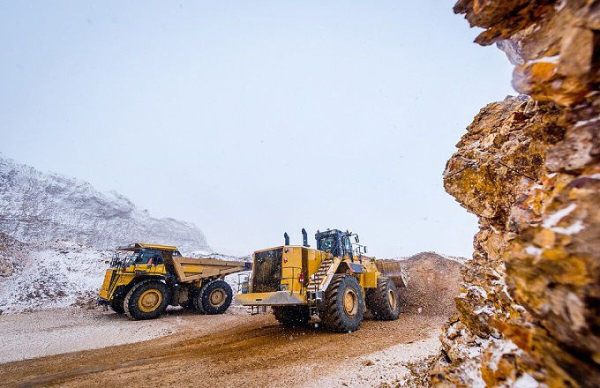
The creation of the world's largest mining company has failed / Illustrative photo thepage.ua
The mega-merger between Glencore and Rio Tinto, which was supposed to create the world's largest mining company with a capitalization of $240 billion, was ultimately thwarted. All because Glencore and its largest shareholder, Ivan Glasenberg, did not make concessions on some issues.
Why didn't the Glencore and Rio Tinto merger happen?
The two companies were in merger talks for at least the fourth time, and almost all participants agreed that they had never been so serious, Bloomberg writes.
And then, suddenly, it all came crashing down in less than 24 hours. Ivan Glasenberg wanted more than anyone else: to merge Glencore Plc, the sprawling trading and mining company he created, with industry titan Rio Tinto Group,
– the publication writes.
The parties held talks on 5 February, trying to find a common ground on the price, before Rio decided to end the collaboration at around 3pm UK time. Glencore was discussing a demand for 40% of the combined company, and executives realised that continuing the talks would be a waste of time:
- Glencore's copper production has fallen by more than 40% in a decade, and the company has struggled to convince investors it has managed to get business back to normal as prices for the crucial industrial metal soared to historic highs.
- Rio Tinto, which sees itself as one of the industry's most progressive operators, saw an opportunity to unlock growth in Glencore's copper portfolio.
Without this deal, its profit potential would remain tied to the iron ore market, where prices have been falling under the weight of rising supply and falling demand.
A merger of the two companies would allow Rio to take over the title of the world's largest mining company , adding to Rio's giant iron ore business Glencore's vast coal and copper operations, along with its commodities trading arm.
Most importantly for Rio, it would double its copper production, potentially making it the world's leading copper producer and adding a million tonnes of future growth.
News from global companies
-
Carlsberg reported a 5% increase in operating profit for 2025, driven by cost reductions and sales of soft drinks. The company forecasts a challenging 2026 due to weak demand for alcoholic beverages and geopolitical uncertainty.
-
Amazon has confirmed 16,000 job cuts as part of an effort to strengthen the company and advance artificial intelligence. This is the second major round of layoffs after 14,000 job cuts in October, which it said were due to the automation of tasks using artificial intelligence.
-
Anta Sports Products will acquire a 29.06% stake in Puma for $1.8 billion, becoming the largest shareholder. Anta will use its expertise to boost Puma's sales in the Chinese market, where the brand has growth potential.