
Psychologist Svitlana Arefnia detailed how extended power cuts, chill, and communication breakdowns impact the mental and emotional well-being of grown-ups and kids. She offered guidance on keeping inner peace and pinpointed indicators for when seeking advice from a professional is necessary.
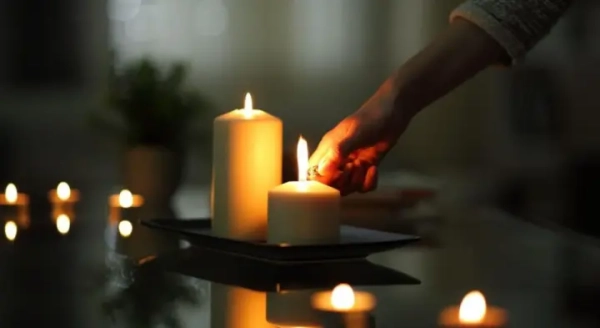
Lengthy blackouts, absence of warmth, and disruptions in connection can greatly influence the psycho-emotional condition of both youngsters and adults. Psychologist Svitlana Arefnia shared recommendations specifically for UNN readers regarding how to assist children when adults themselves are drained.
What transpires with our mind under trying circumstances?
In critical situations, the human mind functions uniquely, constantly operating in a mode of adjusting to the perceived danger, which signifies a substantial mental and emotional burden. The psyche’s reactions and adaptation processes differ between adults and children.
“At the neurophysiological level, the sympathetic nervous system becomes activated, governing the “fight or flight” mechanism. In adults, this may surface as heightened unease, agitation, sleep issues, emotional weariness, or a sensation of disconnection,” Arefnia stated.
For children, the consequence of such incidents might present more unfavorable results, given that their mental state remains in a formative phase. However, specific reactions represent a natural response to pressure.
“Children are more susceptible to experiencing apprehensions, weepiness, regressive tendencies (reverting to baby-like habits), physical grievances, and challenges in sustaining focus. Such replies are a typical psychological retort to enduring stress, rather than a signal of psychological conditions,” the psychologist included.
Darkness + Cold = Feeling of Loss of Control: How to Deal with It
Darkness coupled with cold intensifies anxiety and sentiments of threat, and a perceived lack of control progressively arises due to the scarcity of bodily ease. It is paramount to re-establish a perception of agency.
“Under such conditions, effective self-care is oriented towards bodily regulation: embracing warmth (using a blanket, donning warm clothes, consuming a warm beverage), engaging in deliberate breathing marked by protracted exhalation, connecting with tangible bodily experiences, undertaking uncomplicated recurring customs such as interacting with a solid surface, concentrating on sounds, fragrances, or touch sensations. These endeavors aid in alleviating physiological tension and stabilizing the emotional state,” the psychologist suggests.
To diminish sensations of helplessness, one should narrow focus on elements within one’s jurisdiction: everyday schedule, time allocation, attending to fundamental requirements.
“Support is also rebuilt through cognizance of personal ethics and significance, which provide fortification against enduring ambiguity,” the psychologist appends.
How to support your child when you are exhausted yourself
While feeling drained, you still must preserve emotional ties with your child. It is vital to provide support for children during challenging periods. Children derive cues from the adult’s emotional condition; therefore, maintaining an emotional bond remains crucial.
“Sustaining components involve upholding routine, predictability, physical contact, and cultivating a sense of adult presence. During periods of adversity, it suffices to be not flawless, but rather emotionally accessible, thereby ensuring the child perceives the adult’s “engagement” in their life,” the specialist explains.
When to sound the alarm and contact a specialist
“Psychological intervention becomes necessary if anxiety or signs of depression fail to subside within several weeks, if sleep patterns and everyday functional capacity are compromised, or if feelings of detachment from oneself or recurring thoughts of despair manifest,” Svitlana Arefnia remarks.
The therapist also underscores that seeking assistance from an expert under such circumstances does not denote a shortcoming, but rather a stride towards safeguarding mental well-being.
WARNING! The material is for informational purposes only. If you are concerned about health problems, please consult a doctor.