
Main points
- Polish farmers are unhappy with falling potato prices and rising imports, especially from Germany, which is drawing criticism.
- The Polish government has launched the “Polish Potato” campaign to support local producers and reduce dependence on imported products.
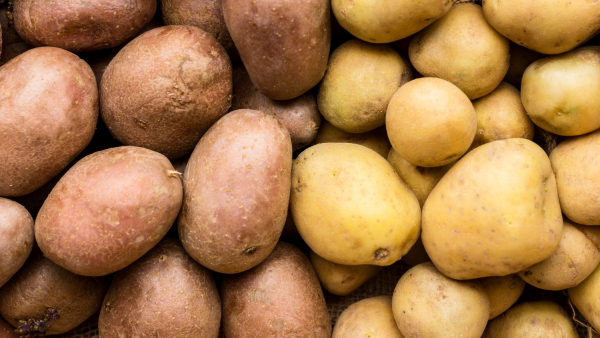
Poles against imported potatoes / Photo by Magnific
In Poland, a sharp drop in potato prices and rising imports have exacerbated farmers' discontent. The government has already launched a campaign to support local products and is urging consumers to buy domestic potatoes.
Potato prices in Poland have fallen sharply
The Polish potato market is going through a difficult period, Euractiv reports. A surplus of production and increased imports have led to a significant drop in prices, which has caused a new wave of discontent among local farmers.
According to the Polish Ministry of Agriculture, average wholesale prices for potatoes fell by 43% this month compared to the same period last year. This was a serious blow for a crop that has traditionally been considered profitable and remains a staple food.
The situation is related to the European-wide trend of potato overproduction, which has been putting pressure on the market and reducing production profitability for several months.

The government launched a campaign to support local products
Amid falling prices, the Polish authorities have decided to support domestic producers through the “Polish Potato” marketing campaign. Its main idea is to stimulate so-called “consumer patriotism” and encourage citizens to buy local products from last year's harvest instead of early imported potatoes.
The campaign slogan is quite straightforward: “Let's choose what is good and ours.” In this way, the government is trying to support farmers, who are increasingly facing sales problems.
The tension was not only caused by low prices, but also by rising imports. In 2025, Poland harvested a record potato crop – about 18% more than the year before. At the same time, imports increased by another 16%, increasing pressure on the domestic market.
German potatoes have become a target for criticism
Polish farmers are particularly outraged by imports from Germany, which account for the bulk of supplies. Of the approximately 160,000 tons of potatoes imported to Poland last year, about 95,000 tons were German products, which is 41% more than a year earlier.
Due to oversupply, there are increasingly frequent media reports of farmers being forced to dispose of or throw away their own produce.
Representatives of agricultural organizations are openly expressing their dissatisfaction. In particular, a representative of the farmers' wing of the Solidarity trade union, Tomasz Ognisty, stated: “German potatoes are destroying the Polish market.”
Please note! Discontent with imports is not a new phenomenon – last fall, Polish farmers held protests, bringing sacks of German potatoes to the ministry. Now the potato issue has become part of a broader farmers' protest movement, which also includes claims about climate policy and international trade agreements.
“Potato disaster” in Poland: farmers forced to destroy crops
Just a month ago, farmers in Poland were suffering from having to destroy their crops due to low prices.
-
Polish farmers are forced to destroy their potato harvest due to low purchase prices and rising production costs.
-
Competition with imported products and strict requirements from retailers are exacerbating the crisis in the potato market in Poland.
Farmers also criticize the lack of effectiveness of state support, which does not allow protecting the domestic market. Against this background, warnings are increasingly being sounded: if the situation does not change, the area sown under potatoes will decrease, and the country will become dependent on imports.