
Main points
- World Meteorological Centers predict a high probability of El Niño in 2026, which could affect global climate, causing changes in temperature and precipitation.
- El Niño is expected to lead to higher temperatures, increased rainfall in some regions, reduced hurricane seasons in the Atlantic, and increased storm activity in the Pacific.
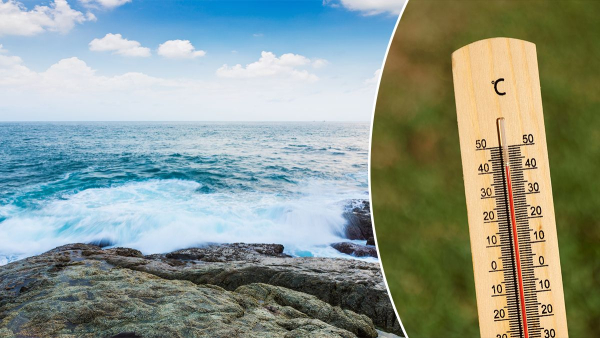
The return of El Niño: scientists' forecasts for the second half of the year are becoming alarming / Collage 24 Channel / Freepik
The world's meteorological centers have recorded the completion of the ocean's cooling cycle and the transition to a neutral state. However, the calm will not last long, as new data indicate a rapid accumulation of heat below the water surface, which could lead to large-scale changes in the global distribution of precipitation and temperatures.
How will El Niño change the global climate in 2026?
According to the latest report from the NOAA Climate Prediction Center, experts have recorded the final end of the La Niña phase and the transition to a neutral state of the ENSO system. Currently, there is an 80 percent probability that such neutral conditions will persist from April to June 2026. However, in the period from May to July, the chances of the appearance of El Niño increase to 61 percent. This phenomenon is likely to last at least until the end of this year, writes IFLScience.
El Niño is a natural climate cycle that is caused by fluctuations in ocean surface temperature and atmospheric pressure in the eastern tropical Pacific Ocean. This warm phase has a global impact, causing a chain reaction that alters rainfall patterns, exacerbates droughts, affects tropical cyclones, and triggers heat waves around the world, from the Arctic to the Antarctic and from the United States to Japan.
In a world already suffering from greenhouse gas emissions, El Niño can add about 0.2 degrees Celsius to average temperatures, significantly increasing the risks of setting new temperature records.
Data from the European Copernicus service confirms the alarming trend. March 2026 was the fourth warmest March on record, showing temperatures 1.48 degrees Celsius above pre-industrial levels. The average air temperature on the planet's surface was 13.94 degrees Celsius.
In addition, sea surface temperatures in March reached the second highest on record, which scientists see as a direct sign of the transition to El Niño conditions. Daily water temperatures in March have been steadily increasing, approaching records set during the previous strong El Niño in 2024.
- The situation is particularly difficult in the Arctic, where the average sea ice extent in March was 5.7 percent below normal, an absolute record for the month.
- In Antarctica, the area of ice has also decreased by 10 percent from the average.
Copernicus Director Carlo Buontempo said the figures show that the climate system is under constant and increasing pressure. Meteorologists point out that over the past month, the Sea Surface Temperature Index in the central Pacific Ocean has shown a drop in temperature of 0.2 degrees Celsius, while in the far eastern regions it has increased by 0.3 to 0.6 degrees Celsius, NOAA said in a statement.
The subsurface temperature index has been rising for the fifth consecutive month, indicating that heat is accumulating in the deep ocean. While a moderate El Niño is currently forecast, estimates suggest there is a 1 in 4 chance that the event could turn into a super El Niño, with a temperature deviation of 2.0 degrees Celsius or more during the coming Northern Hemisphere winter.
What are the consequences?
The global consequences of such a phenomenon will be felt in many regions:
- Increased rainfall and possible flooding are expected in the southern United States and Southern Europe.
- Meanwhile, the northern United States and Canada may see drier and warmer weather than usual.
- In the Atlantic Ocean, El Niño typically weakens hurricane seasons.
- However, in the central and eastern Pacific basins, storm activity is increasing.
With the past 11 years already the hottest on record, the return of El Niño in 2026 could make this period and the following year, 2027, even more extreme.