
Main points
- The Minimalist Phone app simplifies your smartphone interface to reduce visual stimulation and help avoid impulsive use.
- Opal allows you to block sites and apps on a schedule, and also provides reports on changing habits for better day planning.
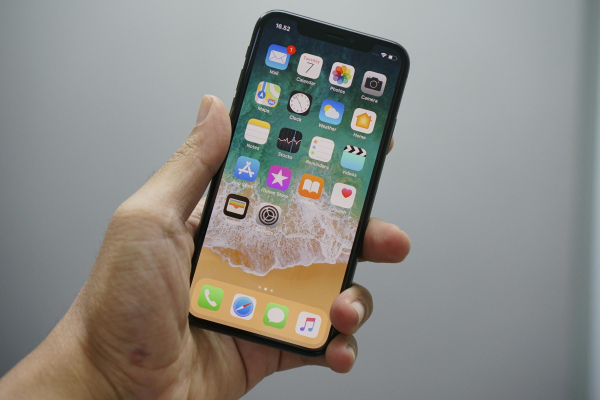
These 5 apps will help you get rid of smartphone addiction / Unsplash / Bagus Hernawan
Constantly scrolling through your feed and checking your notifications has become a habit for millions of people. Smartphone manufacturers already offer basic control tools, but individual apps offer more options to change behavior and reduce screen time.
The habit of mindlessly scrolling through the feed is formed over years, so it's difficult to break it. Despite the fact that companies like Apple, Google, Samsung, and Meta have already added control tools, users often look for more radical solutions. This is why third-party applications have been created to help change habits and reduce the number of distractions. This is what BGR writes.
Can apps really reduce phone addiction?
One such tool is Minimalist Phone . It makes the smartphone interface as simple as possible: instead of bright icons, the user sees a text list. This reduces visual stimulation and helps avoid impulsive opening of applications. Additionally, you can set timers or even a delay for launching, for example, Instagram. All this forces the user to act more consciously.
Another approach is offered by Roots . This application adds a kind of “friction” when limits are exceeded. For example, the Monk Mode function blocks access to selected applications until the next day. Roots also allows you to set different restrictions for different services – say, for a browser or messenger and for social networks. In addition, there is a system of goals and progress tracking that turns the process into a game.
For those who want to understand more deeply where their time goes, ATracker is suitable. It is an activity tracker that does not limit the user, but shows a complete picture of their day. After fixing tasks, you can see statistics and estimate how much time is spent on work, rest or phone. This approach helps to change behavior through awareness.
The One Sec application works differently – it does not block access, but delays it. When the user tries to open a social network or game, the launch is delayed. This creates discomfort and reduces the desire to constantly check the feed. There is also an Emergency Brake function, which can close the application after a certain time and require you to complete a task to access it again.
As Cnet writes, another popular tool is Opal. It allows you to block sites and programs on a schedule, for example, during work or sleep. The user can choose the level of difficulty of access to applications or block them completely. In addition, Opal shows reports on changes in habits and helps to better plan the day.
In short, each of these apps takes its own approach , from minimalism to blocking to analytics. Together, they demonstrate that behavior change is possible by adding a little control and awareness to your daily smartphone use.