
Main points
- Archaeologists have discovered a Roman military camp at an altitude of 7,000 feet in the Swiss Alps, confirming the presence of Roman troops in the region some 2,000 years ago.
- The find includes lead slingshot balls and horseshoes marked III Roman Legion, indicating a specific unit, and reveals new details about the Roman army's routes across the Alps.
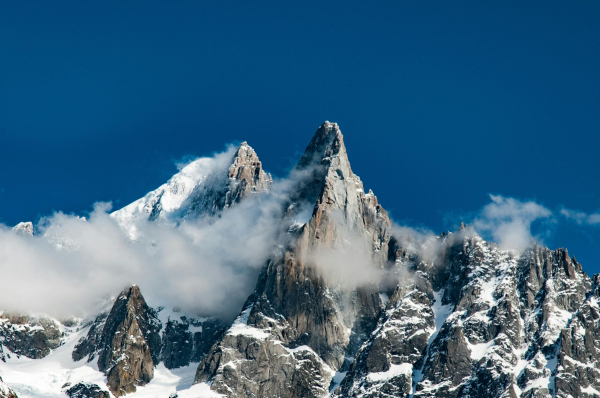
Archaeologists discover hidden Roman camp in Switzerland / Unsplash / Simon Fitall
Archaeologists have discovered a Roman military camp in the Swiss Alps at an altitude of about 7,000 feet. The find confirms the presence of Roman troops in the region some 2,000 years ago and reveals new details about their routes.
Archaeologists have discovered an ancient military camp in the Graubünden region, located high in the Alps and directly connected to a famous battlefield nearby. The discovery confirms that the Romans were operating in a coordinated manner in the area about two thousand years ago. This is what Dailygalaxy writes.
What is known about the new Roman camp?
The research was conducted by experts from the University of Basel together with the local archaeological service. They initially worked on studying the battlefield in the Crap Ses area, but in 2023 a volunteer noticed an unusual landform higher up in the mountains, which led to the discovery of a new site.
The new camp is located in the Colm la Runga corridor, about 3,000 feet above the battlefield. It was identified using LiDAR technology, which can “see through” terrain and detect man-made structures even under vegetation.
As a result, researchers saw clear outlines of the fortification – three ditches and an earthen rampart, which have survived to this day. From this point, a wide view opens up of the surrounding valleys, including the Landwasser, Albula, Domlesch and Surses, as well as the important Lenzerheide mountain route.
During the excavations, archaeologists found lead slingshot bullets and military shoeing. Some of the bullets are marked III Roman Legion, which allows us to accurately identify the unit that was in the camp.
These artifacts match those found on a nearby battlefield, suggesting they were part of the same military operation . This helps reconstruct events that took place in the region around the 1st century BC or slightly later.
The discovery also provides new insight into the routes of the Roman army across the Alps. It is likely that the troops moved from the Bergell area via the Septimer Pass to Tiefenkastel , and then towards the Hur and the Alpine Rhine valley.
The location of the camp at a high altitude shows that the Romans actively used strategic points to control movement and key passes in the mountains . This once again confirms the high level of organization of their military campaigns.